3D Printing

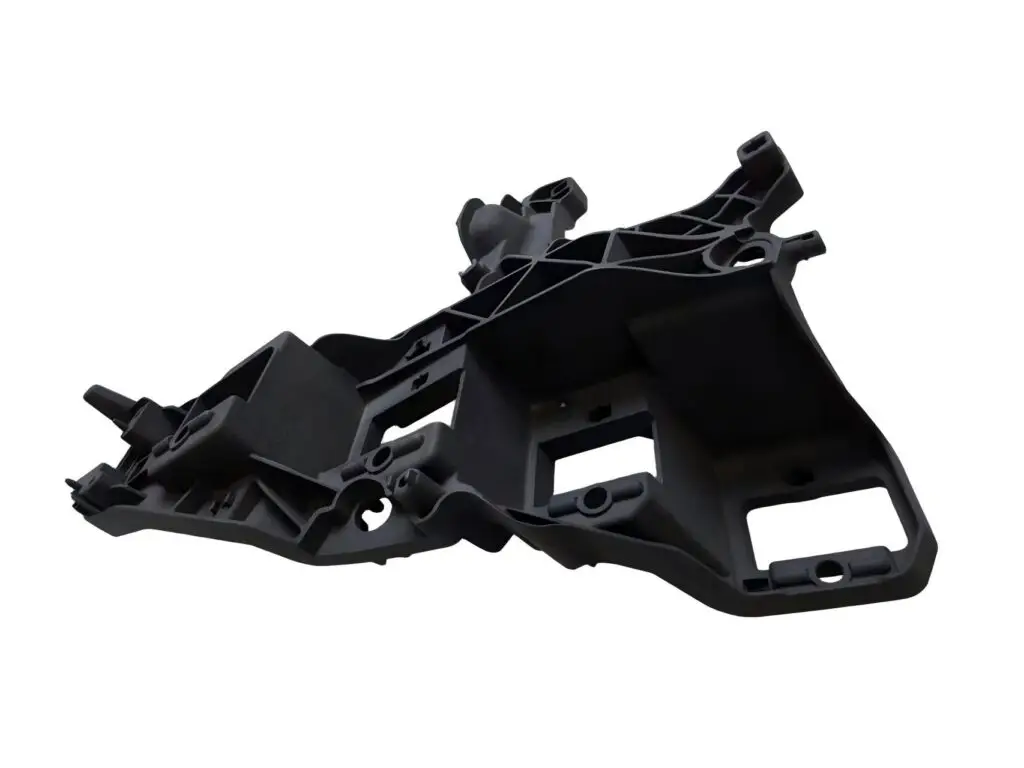
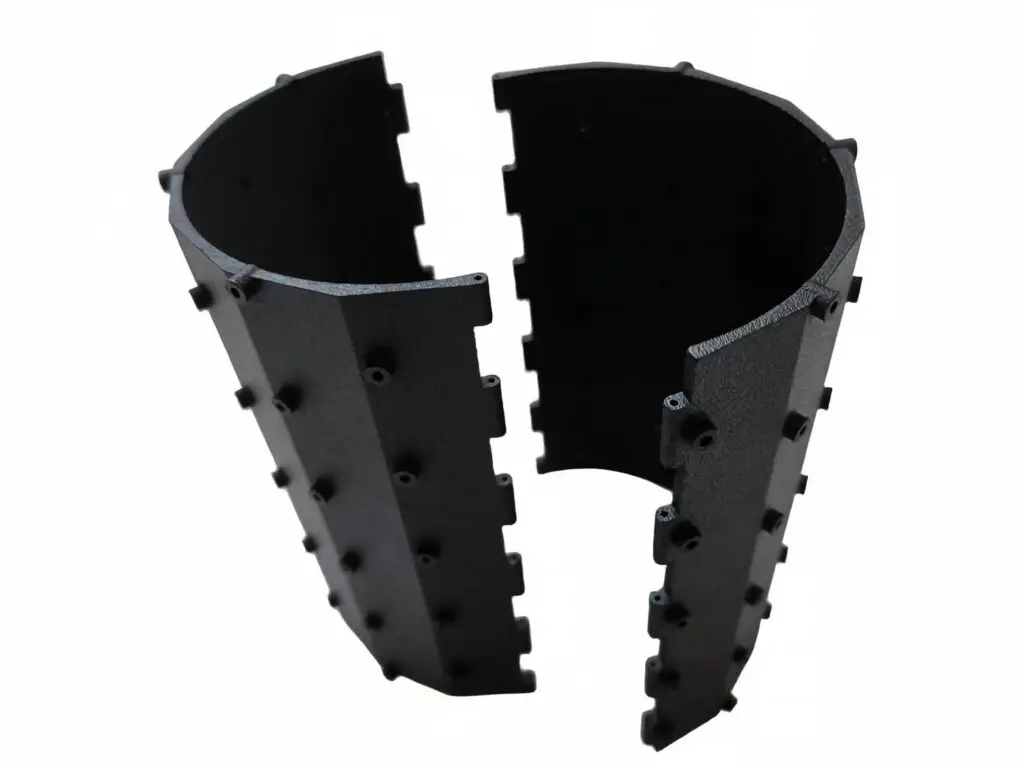
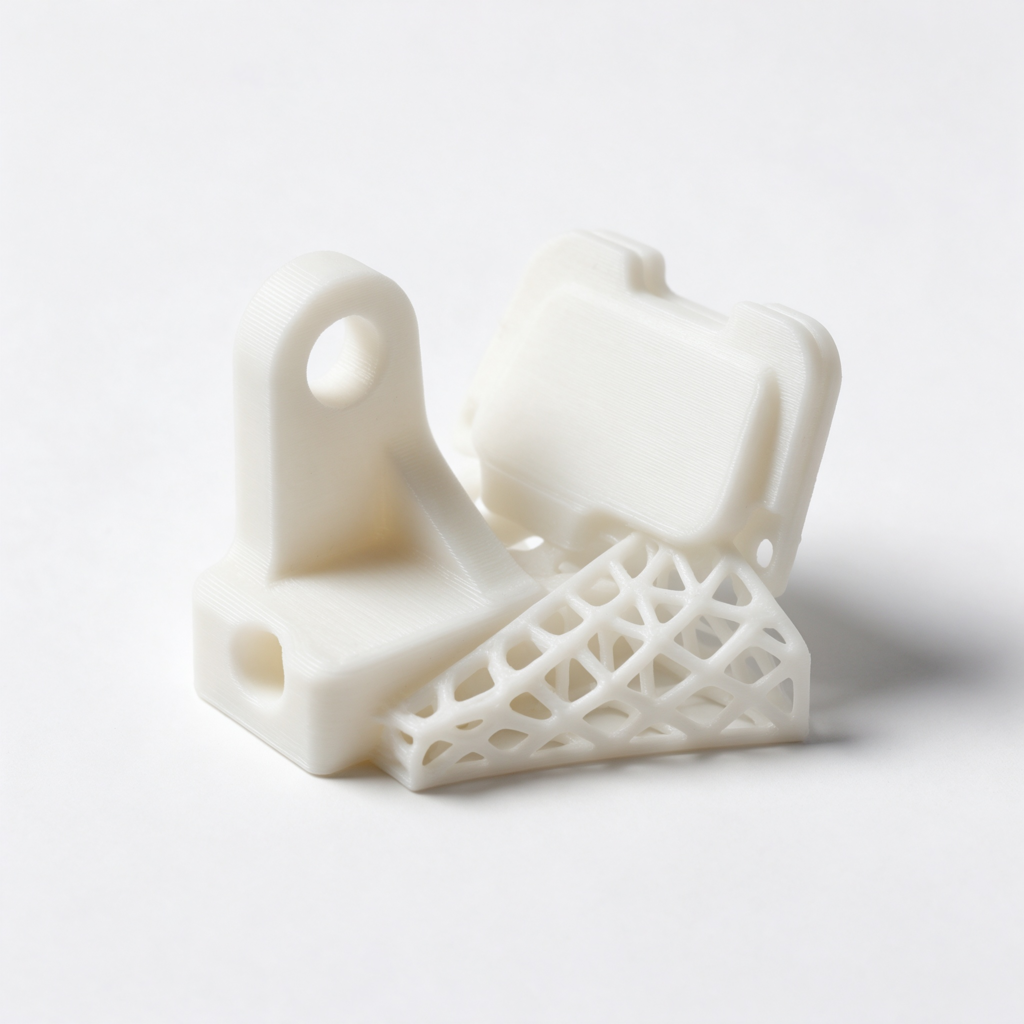
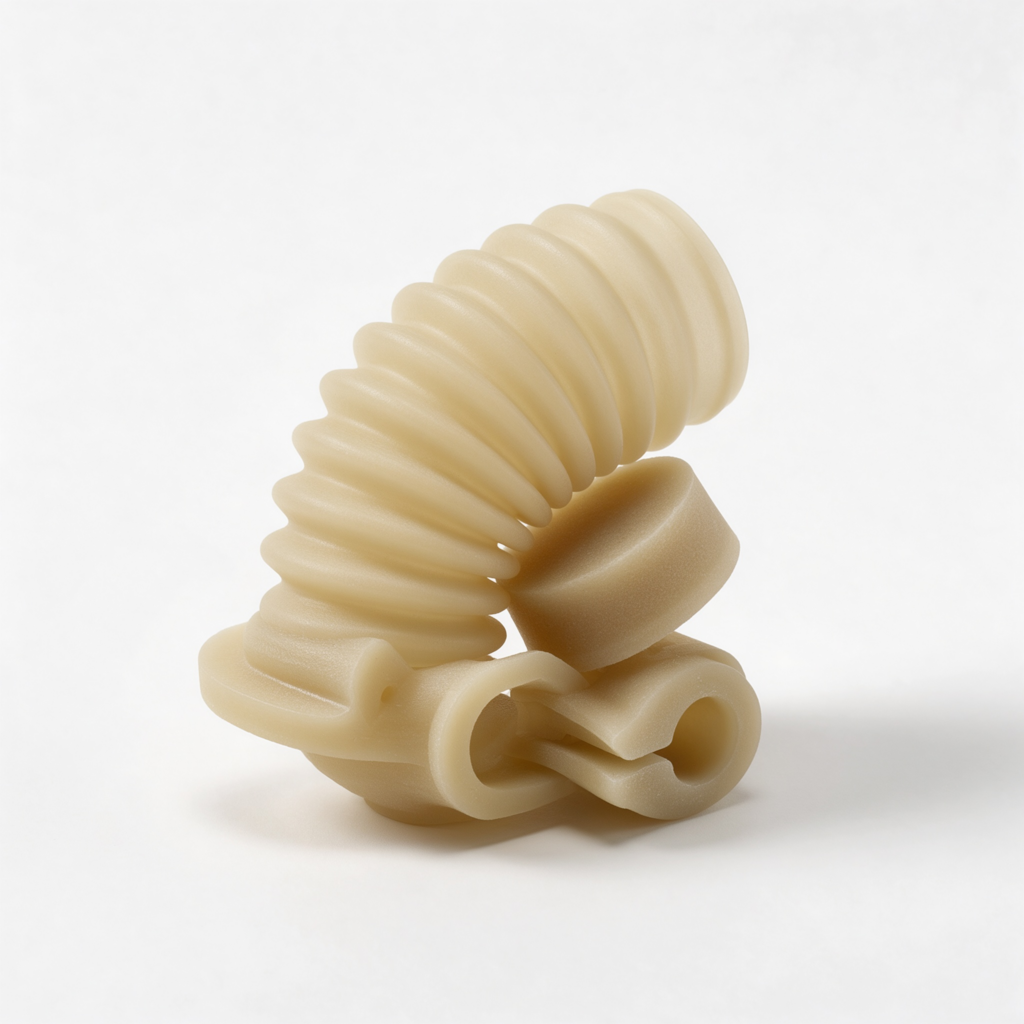
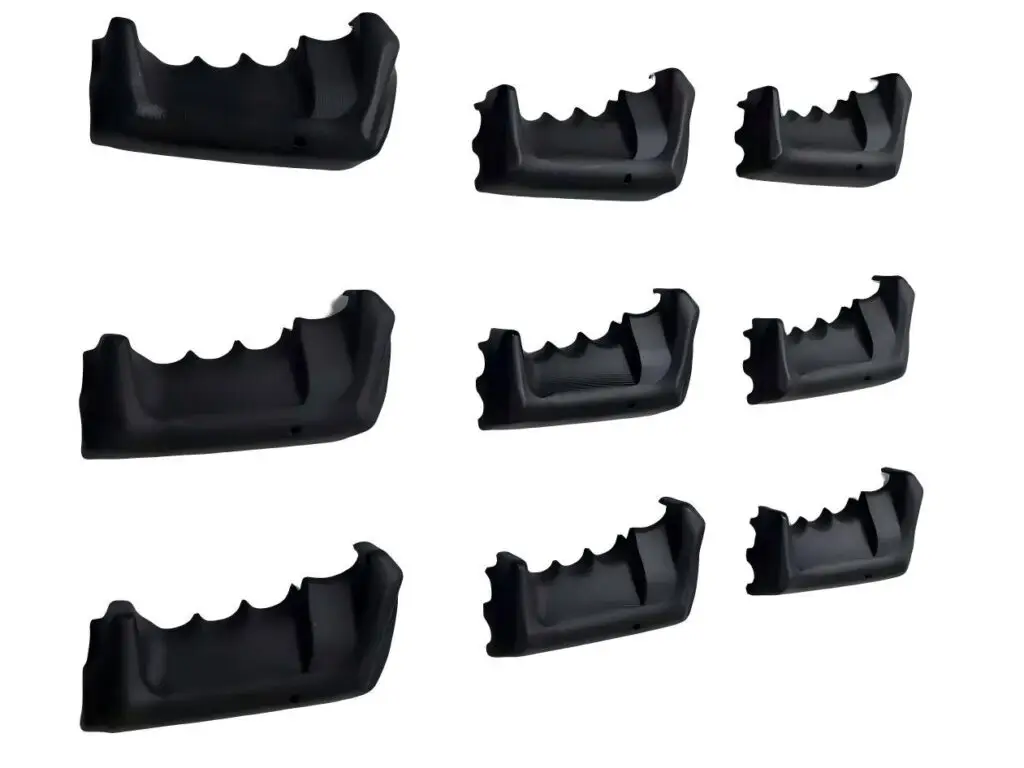
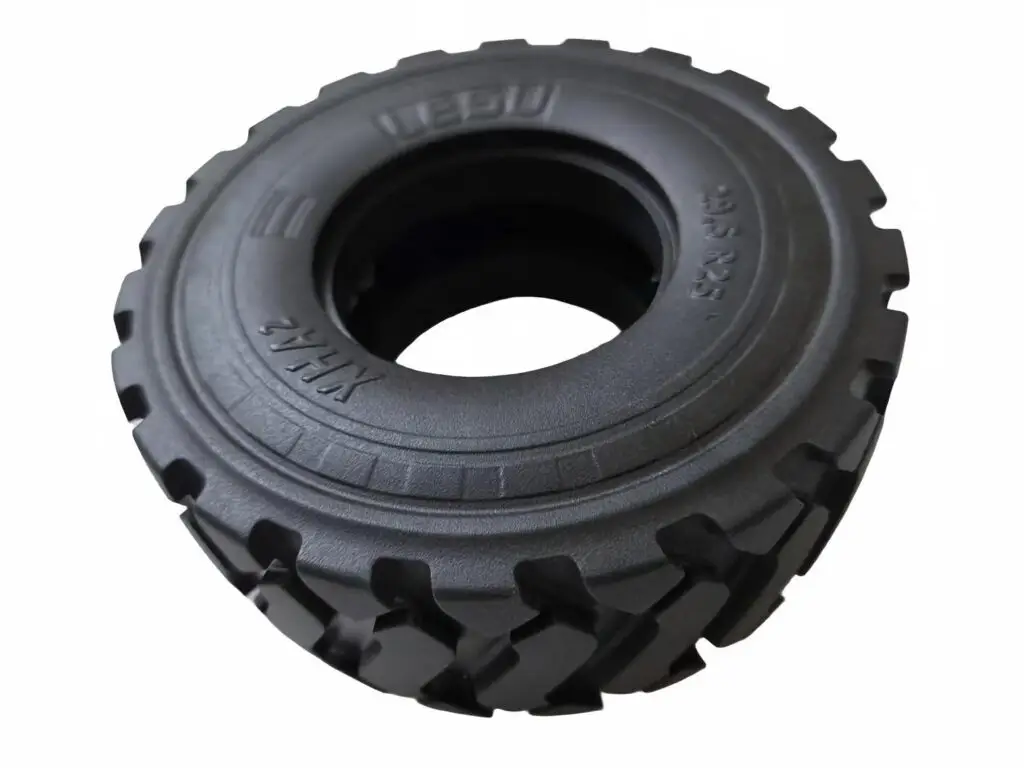
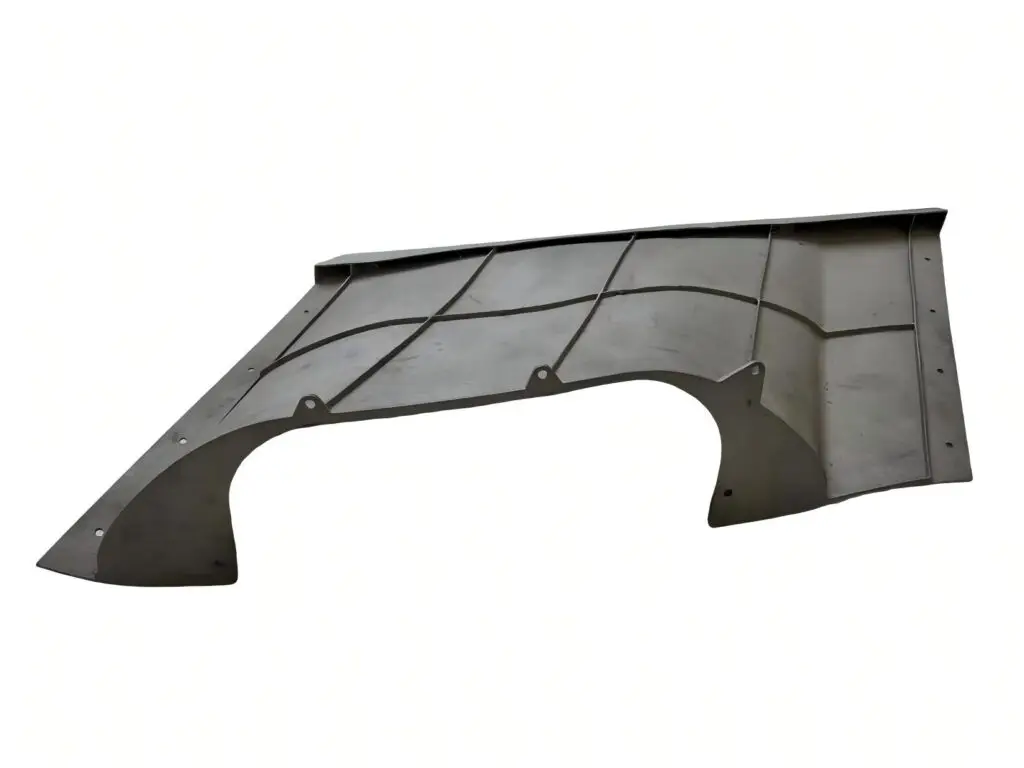
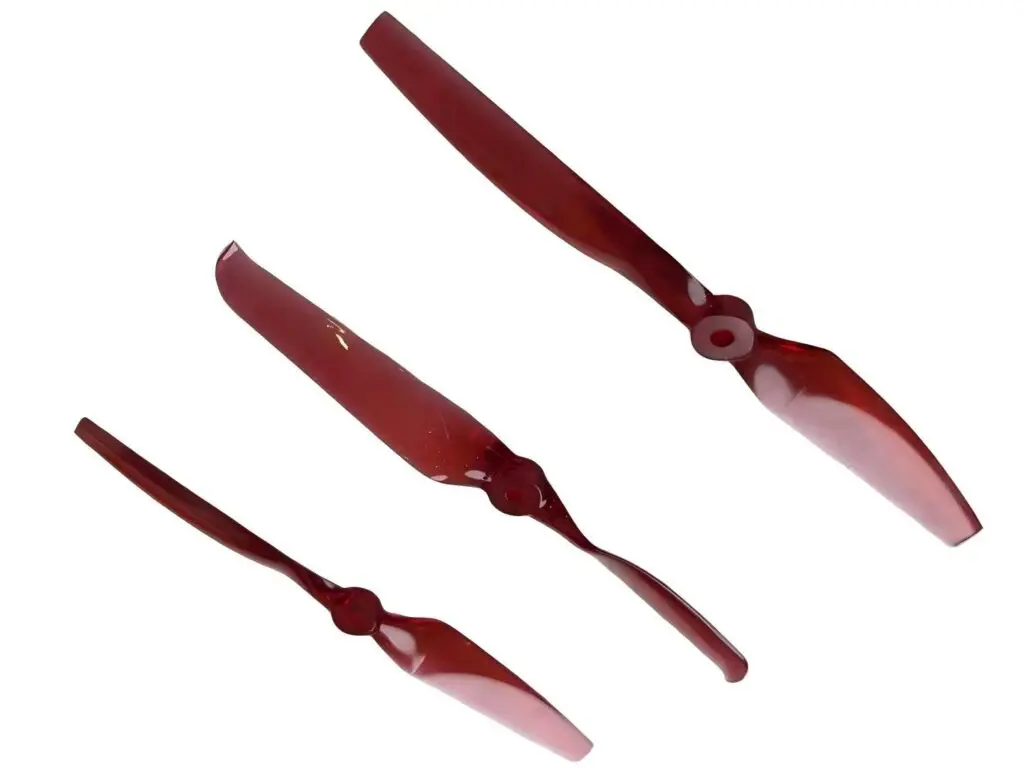
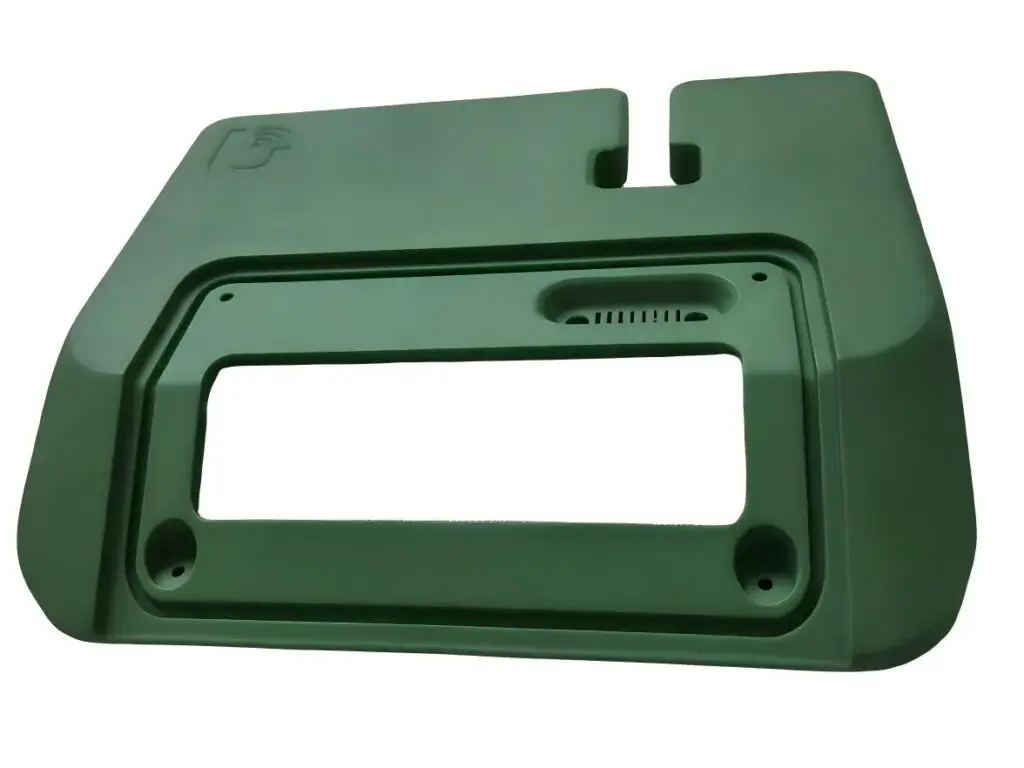
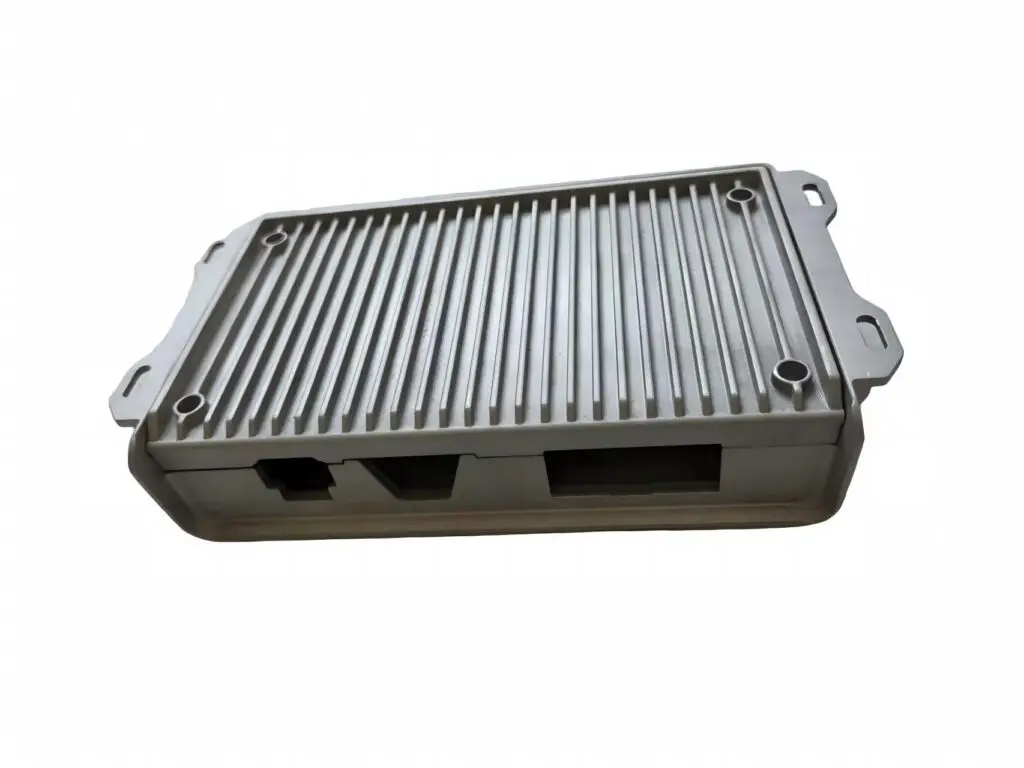
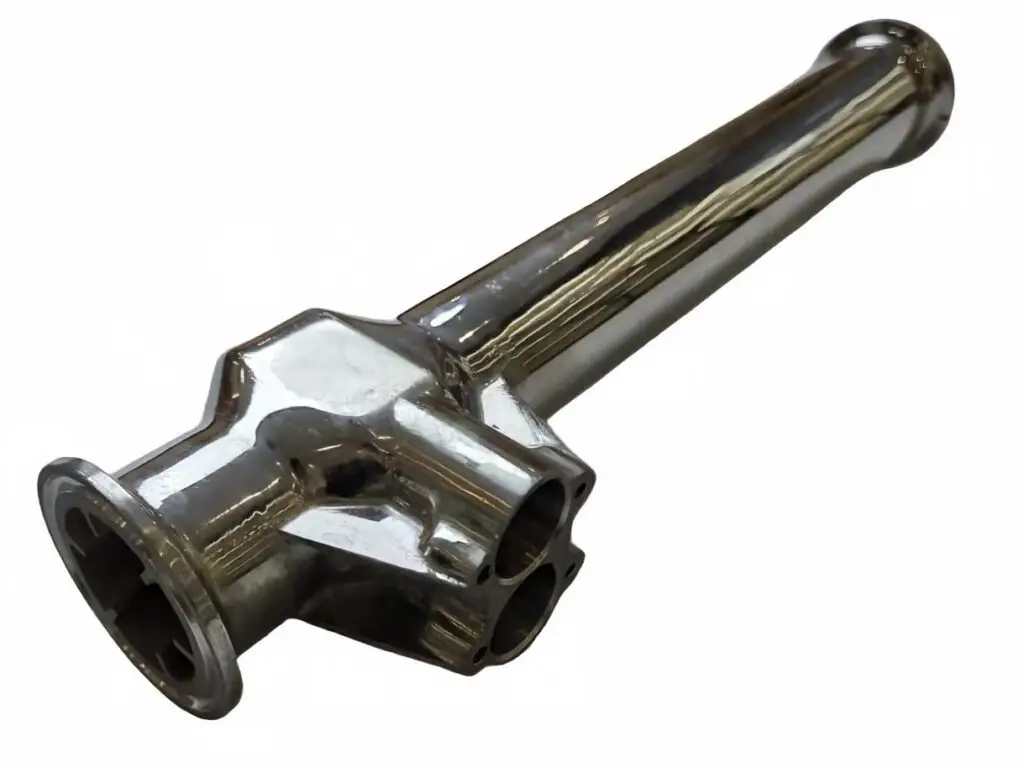
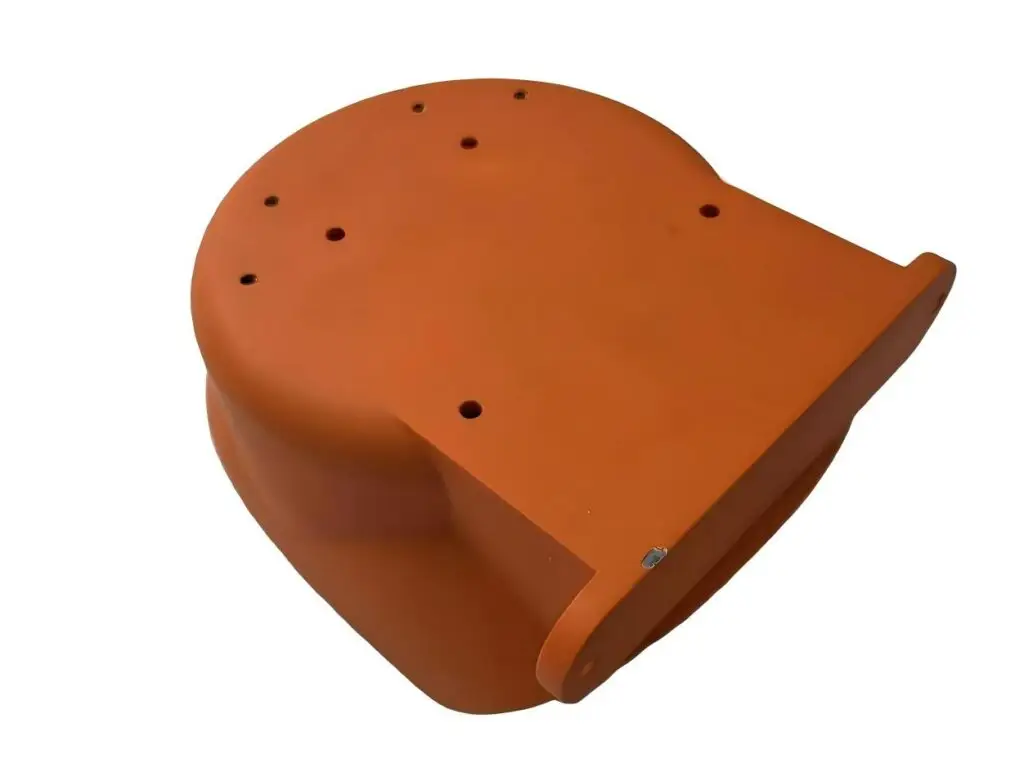
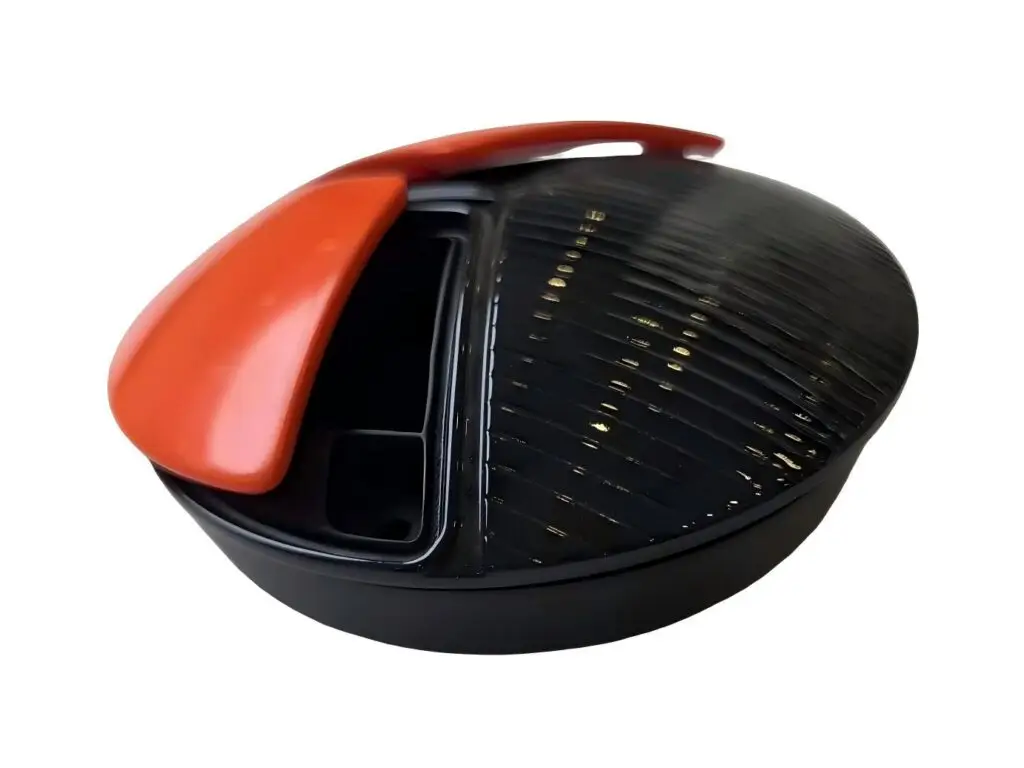
Mach Prototypes offers professional 3D printing services for rapid prototyping and low‑volume manufacturing. Supporting plastic, composite and metal materials, we produce complex custom parts with fast turnaround and reliable dimensional accuracy for concept models and functional prototypes.

Generally Used 3D Printing Methods

We provide a comprehensive range of industrial‑grade 3D printing solutions, covering metal and polymer additive manufacturing. Select the optimal printing technology according to your part requirements for prototypes, functional testing or low‑volume production. Each process delivers unique performance in accuracy, material choice, strength and lead‑time.

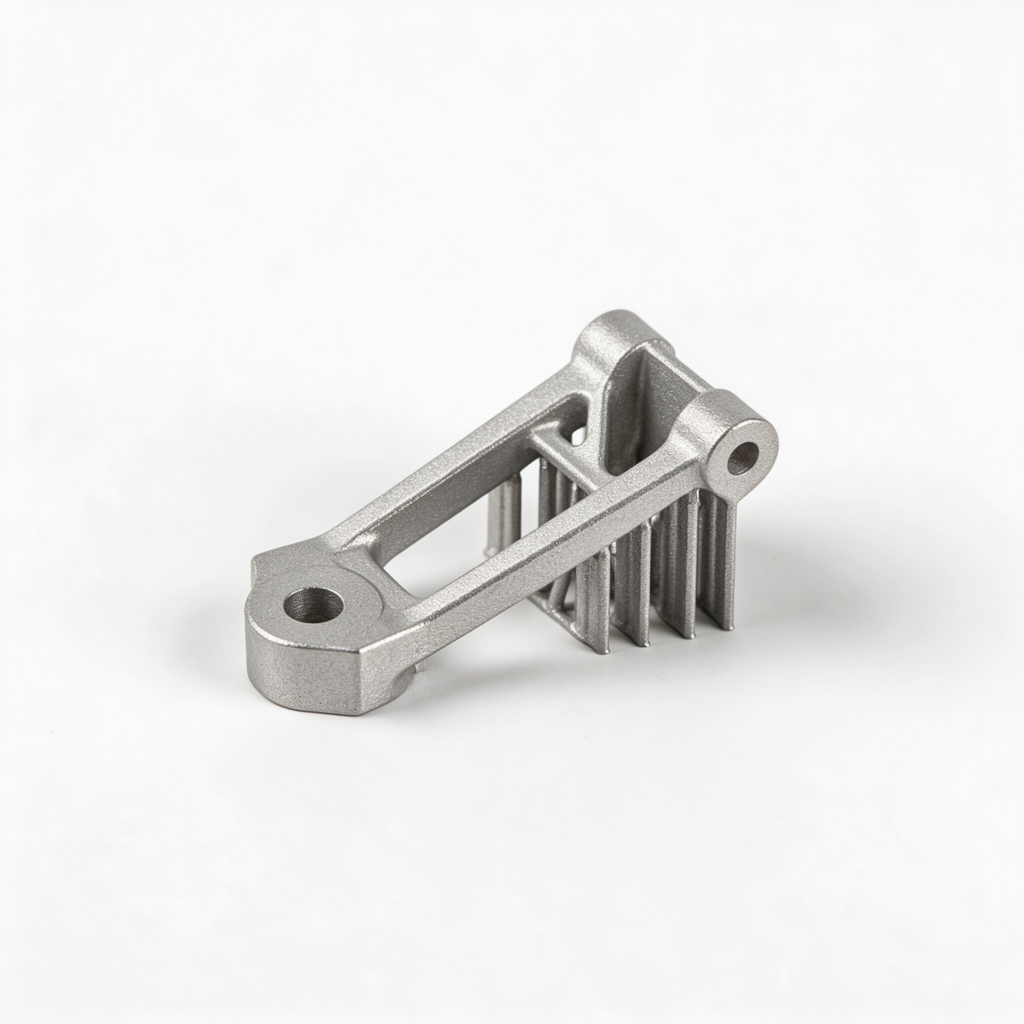
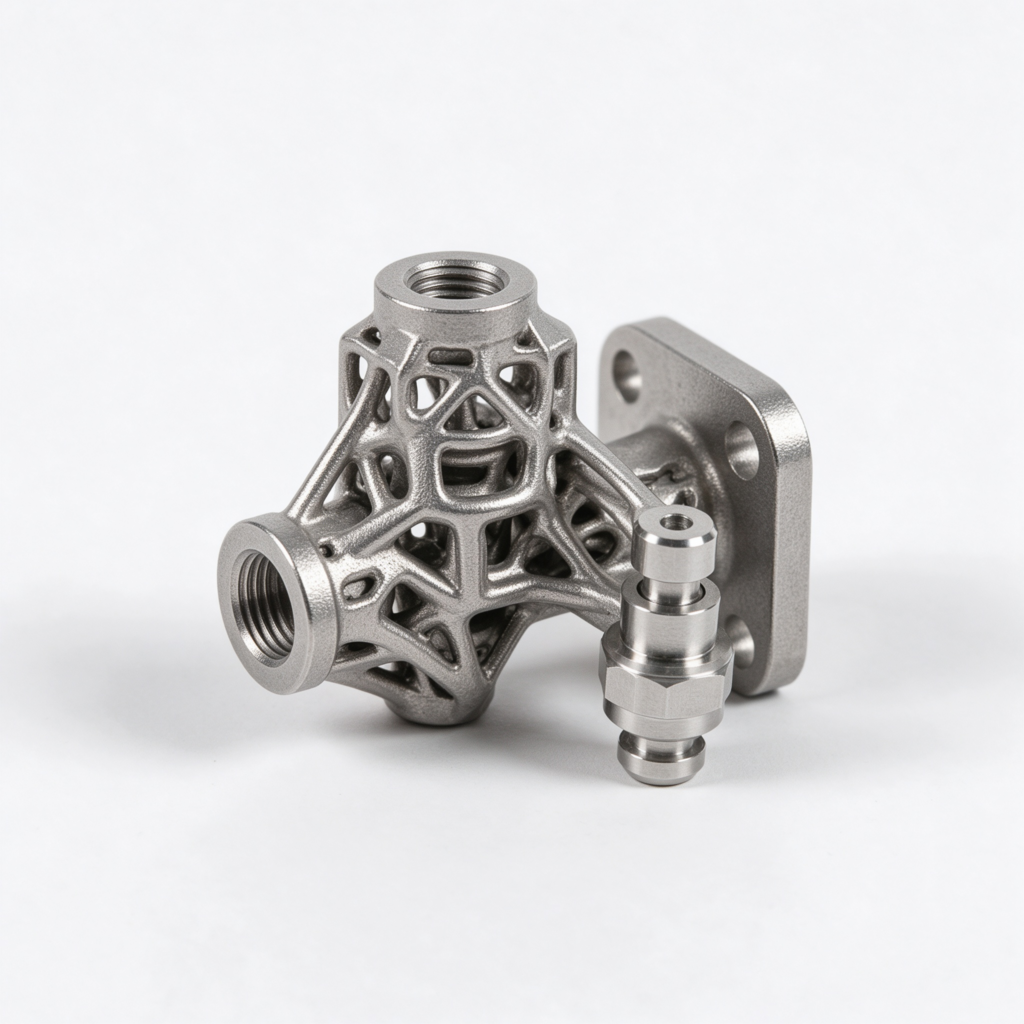
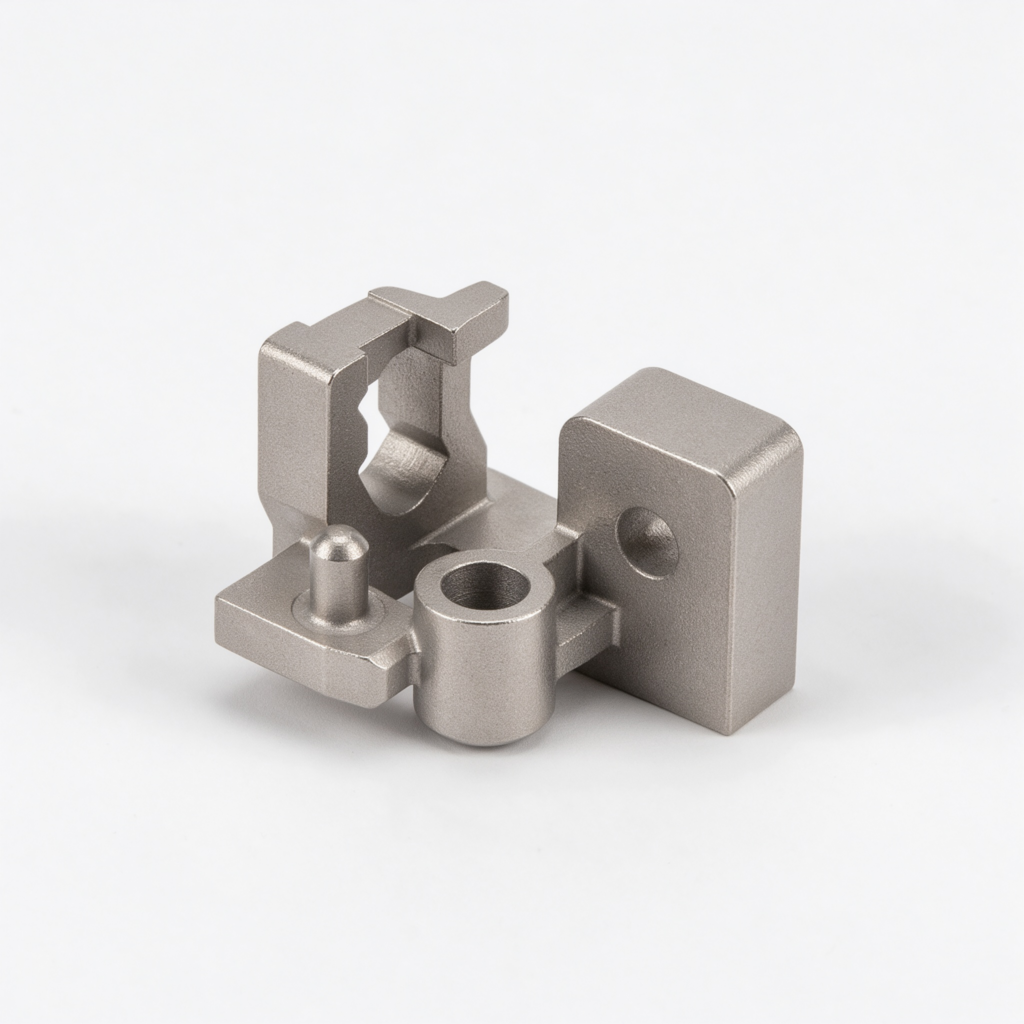
Metal 3D Printing


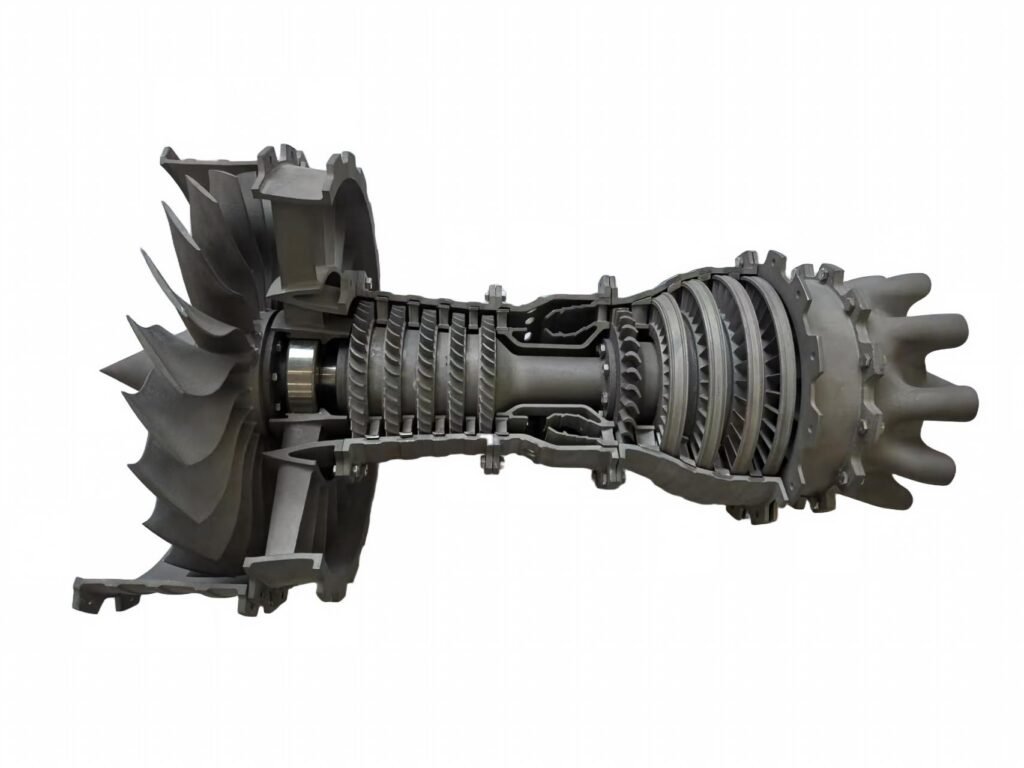
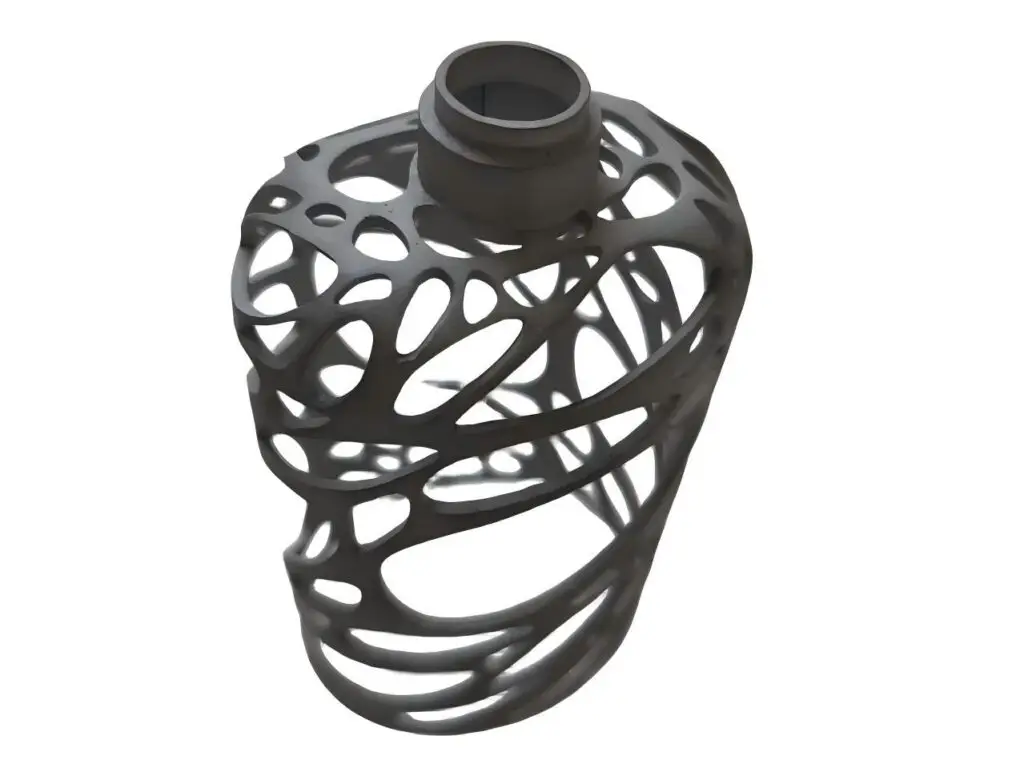
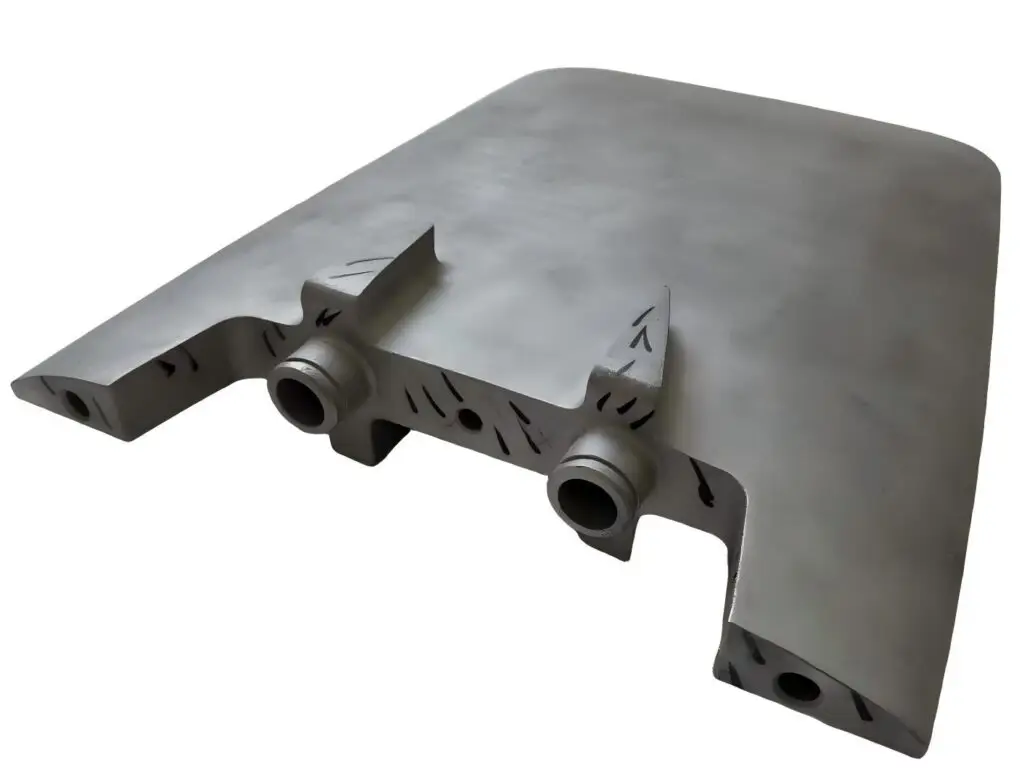
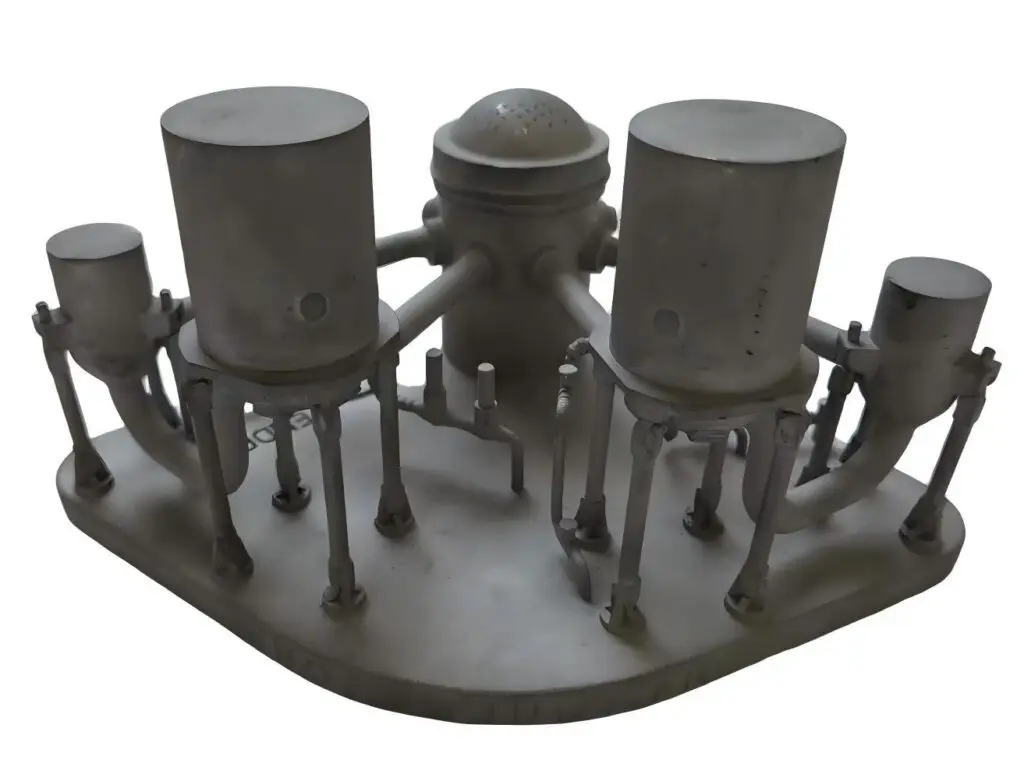
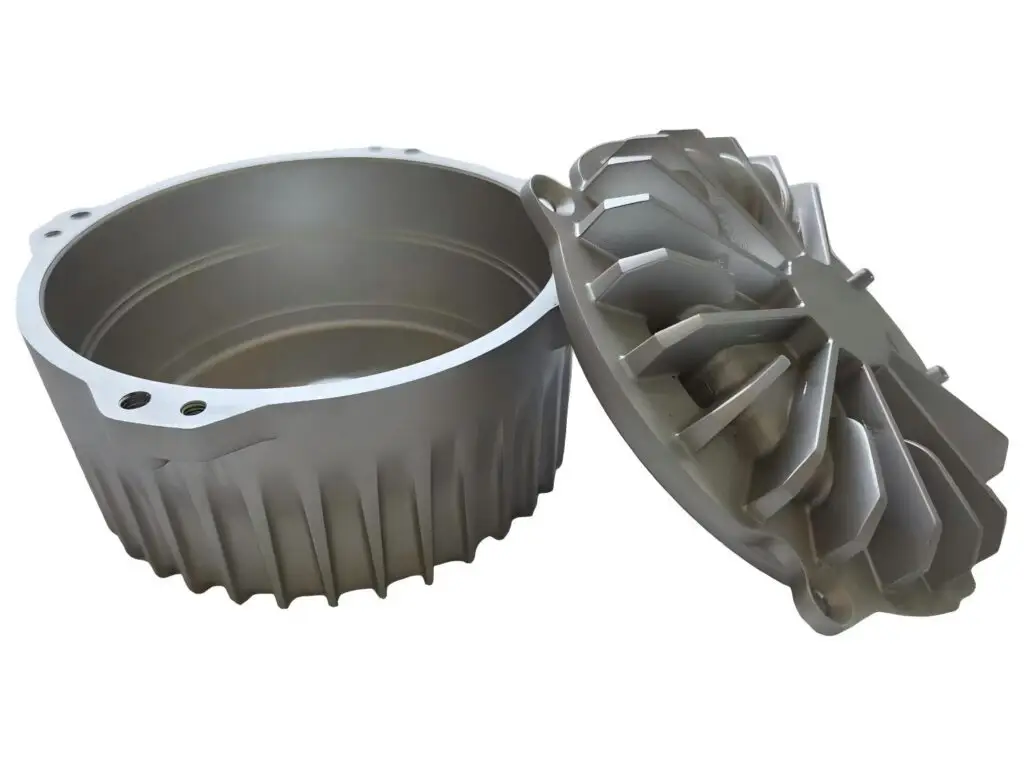
Metal 3D printing builds functional metal parts layer‑by‑layer using metal powder, ideal for high‑strength prototypes and end‑use production components. It supports complex geometries that traditional CNC machining cannot easily achieve.

  • High mechanical strength & excellent heat‑resistant performance
  • Produce intricate internal structures, lattice and conformal cooling channels
  • Wide material range: stainless steel, titanium, aluminum, Inconel alloy
  • Directly manufacture finished‑grade functional parts for aerospace, automotive and medical applications

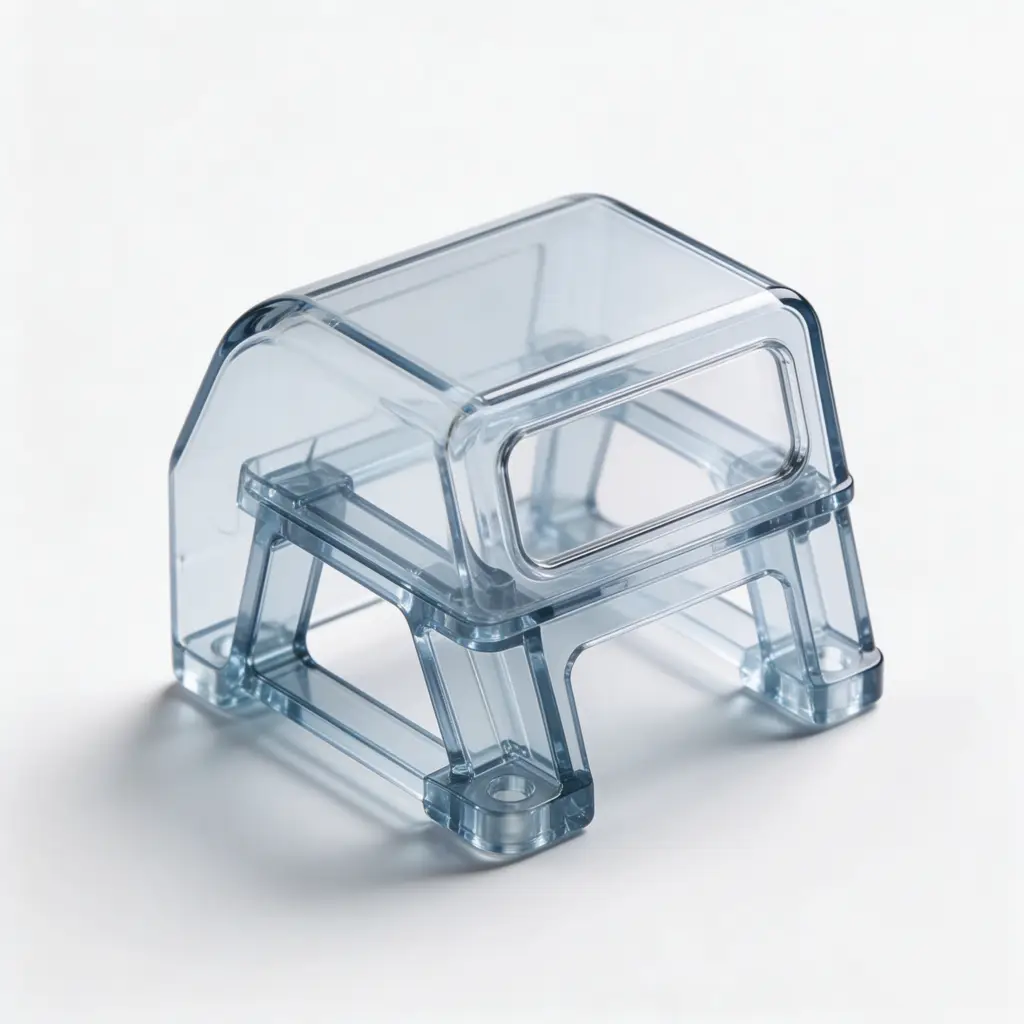
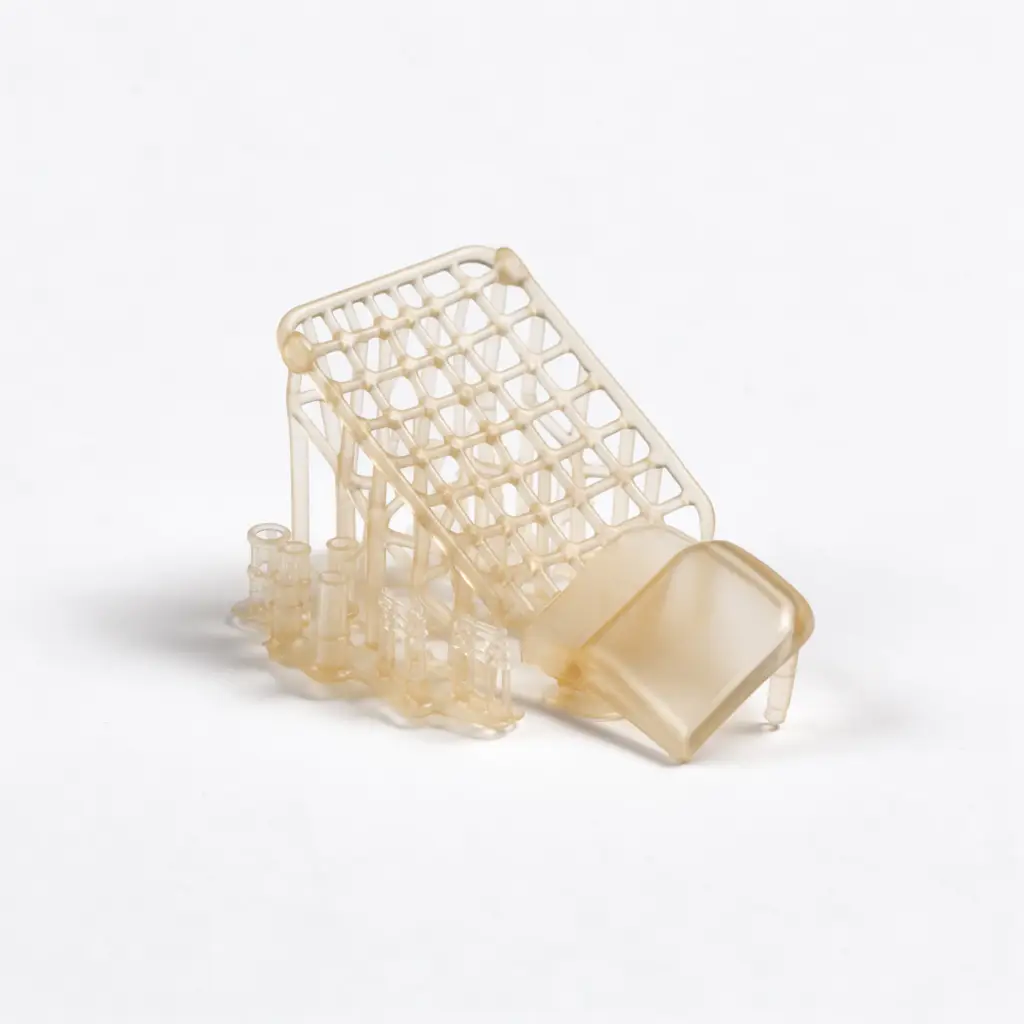
SLA 3D Printing


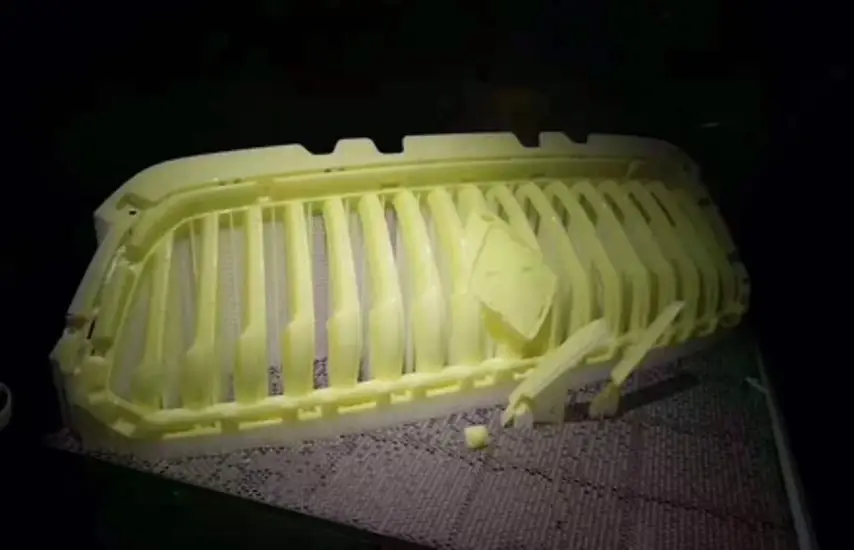
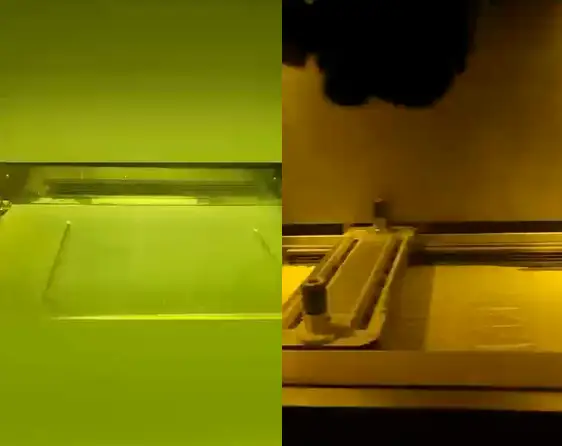
SLA (Stereolithography) cures liquid photosensitive resin with UV laser to create high‑resolution plastic prototypes. It is the perfect solution for visual prototypes, appearance verification and detailed‑feature parts.

  • Ultra‑high surface finish and fine detail reproduction
  • High dimensional accuracy for complex appearance models
  • Multiple resin options: rigid, flexible, transparent, high‑temperature resistant
  • Fast turnaround for appearance prototypes before mass production

SLS 3D Printing


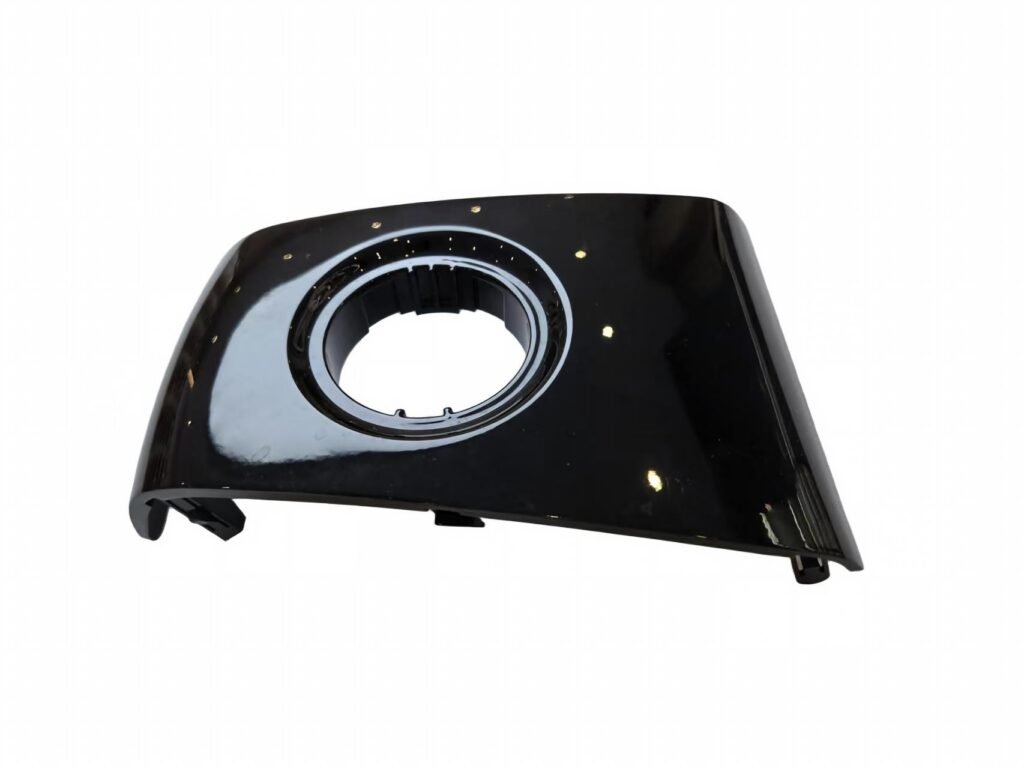
SLS uses a high‑power laser to sinter polymer powder without support structures. Great for functional plastic prototypes and low‑volume batch parts. Nylon is the most common working material.

  • No support required, freely design complex interlocking structures
  • Good mechanical properties, impact‑resistant nylon parts
  • Suitable for small‑batch production runs
  • Stable part performance for functional testing

MJF 3D Printing


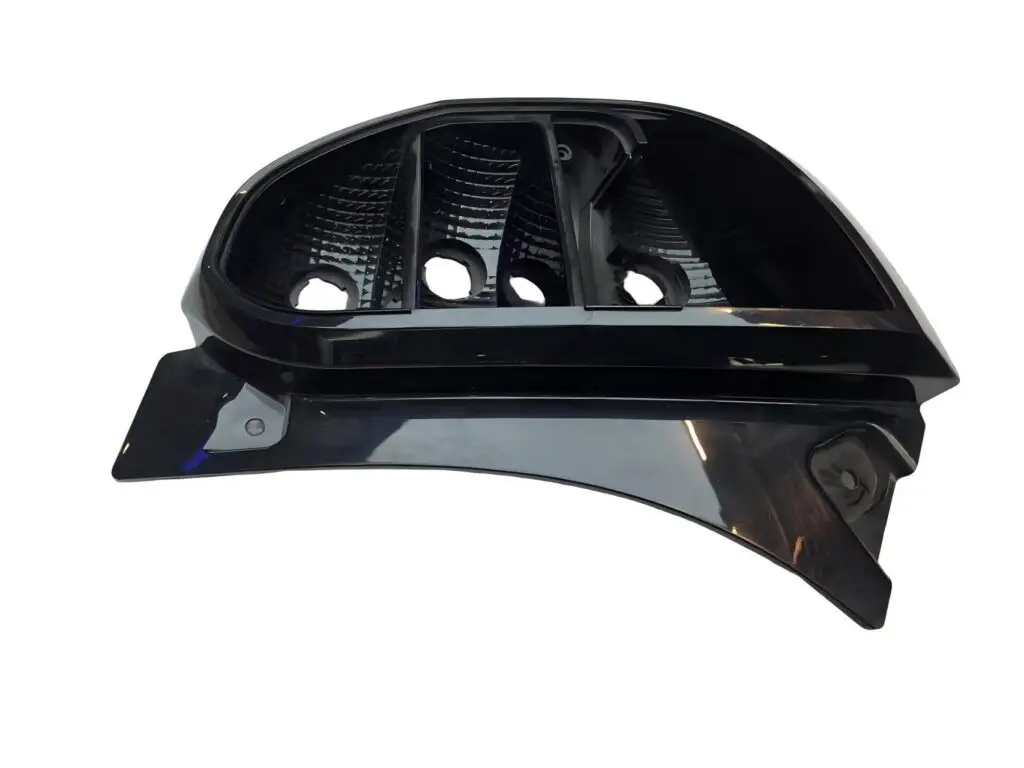
MJF applies fusing & detailing agents on nylon powder bed for fast, uniform printing. Delivers consistent quality for functional nylon components and small‑volume manufacturing.

  • Short lead time for small‑batch production
  • Uniform part quality across whole build tray
  • Good isotropic mechanical performance
  • Matte natural surface, less post‑processing work

Material Commonly Used for Custom Parts

Plastic for CNC milling

ABS is strong, durable, and offers good resistance to heat and impact. It’s preferred for automotive components and consumer goods.


POM (Delrin) has low friction, excellent rigidity and dimensional stability. It is widely used for gears, sliding parts and precision mechanical fittings.

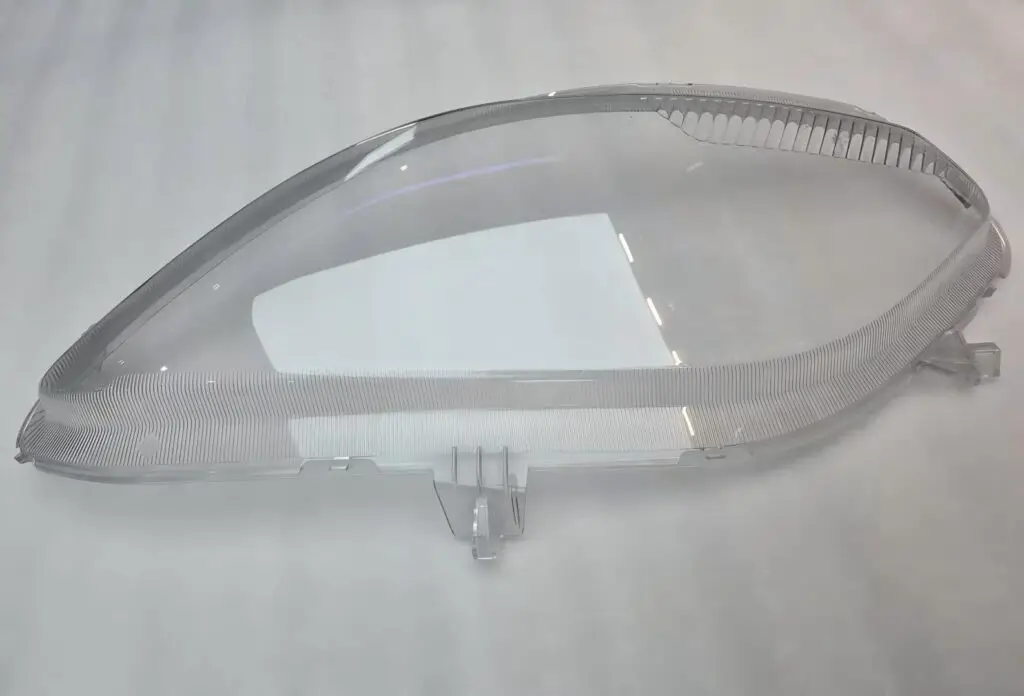
Polycarbonate features high impact strength, transparency and heat resistance. Suitable for transparent protective covers, impact‑resistant housings and optical parts.

PA6 Nylon comes with good wear‑resistance, self‑lubrication and toughness. Common applications include bushings, rollers and mechanical wear parts.

PEEK is a high‑performance engineering plastic, capable of working under high temperature, heavy load and chemical corrosion. Used for medical, aerospace and high‑temperature resistant components.

PMMA (Acrylic) boasts high light transmittance, easy polishing and good rigidity. Great for transparent panels, display windows and decorative parts.

HDPE is lightweight, impact‑resistant and chemical‑inert. Suitable for corrosion‑resistant trays, insulating components and food‑safe custom parts.

PP polypropylene has good toughness and acid‑alkali resistance, with low material cost. It is widely machined for light‑duty containers and chemical resistant parts.

PVC provides great chemical stability and insulation performance. Mainly used for anti‑corrosion structural parts and electrical insulating components.

PET has excellent rigidity, low friction and good dimensional stability. Suitable for precision fixtures, wear‑resistant sliders and food‑contact mechanical parts.

Metal for CNC milling

Aluminum is lightweight yet strong, with excellent machinability and corrosion resistance. Ideal for aerospace and automotive parts.

6061,6061‑T6, 2024, 5052, 5083, 6063, 6082, 7075,7075‑T6, ADC12 (A380)

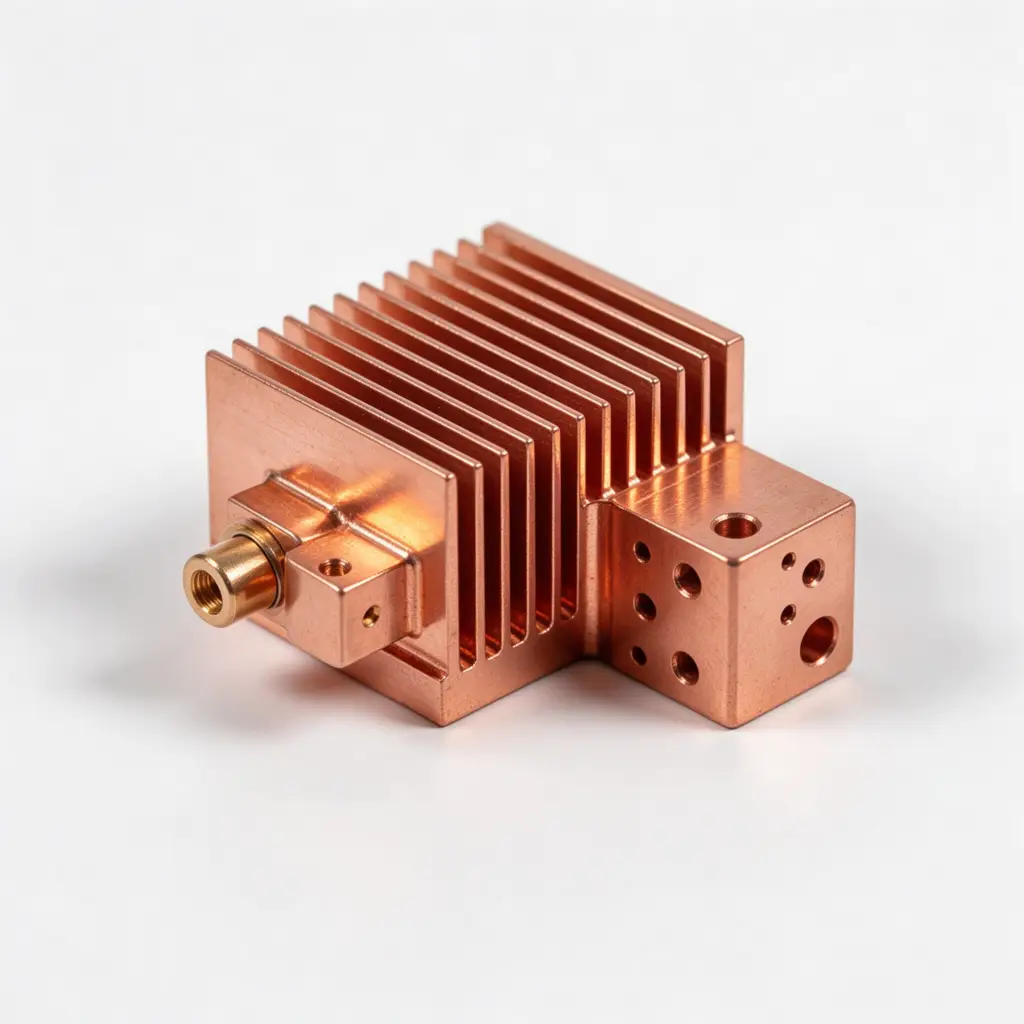
Copper delivers exceptional electrical and thermal conductivity. Easy to machine, suitable for heat sinks, conductive terminals and thermal management components.

C11000 Pure Copper, C101 Oxygen‑Free Copper

Brass features great machinability, good wear resistance and natural anti‑tarnish properties. Perfect for fittings, fasteners, valve bodies and decorative hardware.

C3604, C26000, H59, H62

Bronze offers outstanding wear resistance, high compressive strength and anti‑friction performance. Widely used for bearings, bushings, gears and heavy‑load sliding components.

C93200 SAE660, Phosphor Bronze CuSn10

Carbon steel has high tensile strength and good rigidity at a low cost. It works well for shafts, brackets, fixtures, gears and heavy‑duty mechanical structures.

C45, 1045, A36, Q235

Stainless steel provides superior rust and chemical corrosion resistance while maintaining good mechanical strength. Suitable for food‑safe, marine, medical and outdoor‑use parts.

304, 316L(1.4404), 303, 430, 17‑4 PH

Titanium combines ultra‑low density, high tensile strength and excellent corrosion resistance. It is widely machined for medical implants, aerospace parts and high‑end lightweight assemblies.

Ti‑6Al‑4V Grade5, Pure Titanium Grade2

Magnesium is one of the lightest structural metals, with high strength‑to‑weight ratio and good CNC machinability. Preferred for lightweight automation equipment and aerospace components.

AZ31B, AZ91D

Hastelloy is a nickel‑based superalloy with exceptional resistance to severe chemical corrosion, high‑temperature oxidation and acid environments. It performs reliably under extreme heat and harsh corrosive media.

Hastelloy C‑276, Hastelloy C‑22, Hastelloy B2

nconel is a premium nickel‑chromium superalloy that retains high strength and oxidation resistance at elevated temperatures. It maintains stable mechanical properties under thermal cycling and harsh operating conditions.

Inconel 718, Inconel 625, Inconel 600

Surface Finish Fits for CNC Milled Parts

As‑Machined

Retains visible tool marks from CNC cutting. Cost‑effective for non‑visible functional surfaces with no strict cosmetic requirements. Standard surface roughness Ra 1.6‑6.3μm.

Anodizing

An electrolytic conversion coating primarily for aluminum parts. It builds a hard, durable oxide layer to boost wear and corrosion resistance, and supports custom color options.

Polishing

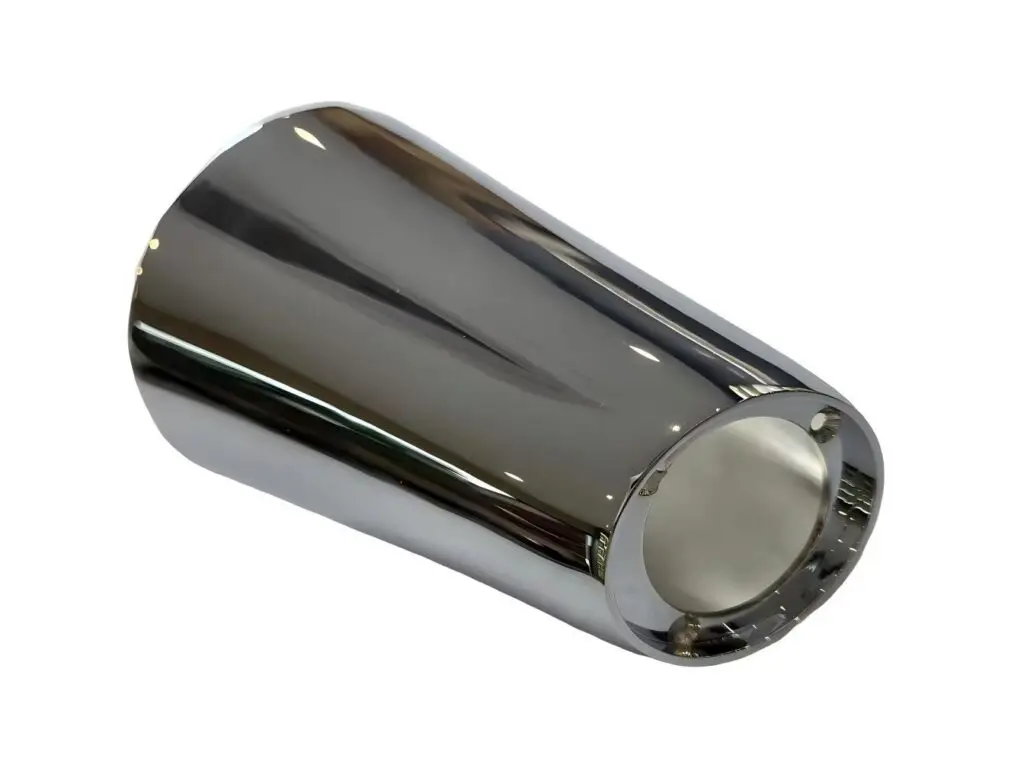
Mechanical polishing removes surface imperfections to deliver a smooth, high‑gloss surface. It lowers surface roughness and significantly improves the visual quality of metal components.

Sand Blasting

Pressurized abrasive media strikes the workpiece to form an even, fine matte texture. It eliminates tool scratches and creates an ideal base for subsequent painting or coating.

Tumbling

Parts rotate inside a barrel with abrasive media. This mass‑finishing process removes sharp burrs and softens edges for small‑size workpieces with uniform subtle texture.

Electropolish

An electrochemical smoothing treatment that dissolves tiny surface peaks. It brightens metal surfaces, reduces micro‑roughness and delivers better corrosion performance.

Chromate Conversion

A chemical conversion finish for aluminium substrates. It provides reliable corrosion protection and greatly improves bonding strength for paints and adhesives.

Heat Treatment

Controlled heating and cooling modifies internal metal microstructure. It precisely adjusts mechanical properties including hardness, tensile strength and material ductility.

Brushed Finish

Linear unidirectional grinding creates a subtle satin grain texture. This decorative finish hides minor surface flaws and delivers a premium metallic appearance.

Powder Coating

Electrostatic dry powder is applied then oven‑cured, forming a thick, tough protective layer. Outstanding scratch resistance and a broad range of custom colours are available.
 

Black Oxide

A low‑thickness chemical conversion coating for ferrous metals. It creates a matte black finish for anti‑glare purposes and offers moderate corrosion protection.

Electroplating

A thin metallic layer (nickel, chrome, zinc etc.) is chemically deposited on component surfaces. It enhances hardness, anti‑corrosion performance and surface conductivity.

CNC Milled Parts for Different Industry

Mach Prototype delivers professional CNC‑milling manufacturing services for diverse industries, producing high‑precision custom parts from rapid prototypes to low‑volume production.


Our engineering team fully understands industry‑specific technical requirements, ranging from lightweight aerospace structures, medical components and automotive assemblies to automation machinery. We provide optimized machining solutions balancing performance, manufacturability and production cost.

Aerospace
Medical Devices
Automotive
Robotics
Electronics
Communication
Semiconductor
New Energy
Consumer Products

Add Your Heading Text Here

Add Your Heading Text Here

Add Your Heading Text Here

Add Your Heading Text Here

Add Your Heading Text Here

Add Your Heading Text Here

Add Your Heading Text Here

Add Your Heading Text Here

Milling Size, Tolerance and Roughness

We maintain strict dimensional accuracy and surface quality across all CNC‑milled components. Our equipment supports a wide machining range, tight standard tolerances and controllable surface roughness values to satisfy prototype and production‑grade requirements for both metal and plastic workpieces.

ParameterSpecification
Maximum Machining Size3000 × 1000 × 1000 mm
Smallest Machinable Feature0.5 mm
Standard Dimensional Tolerance±0.02 mm
High‑precision Tolerance±0.005 mm
As‑Milled Surface RoughnessRa 1.6 ~ 6.3 μm
Polished Surface RoughnessRa 0.1 ~ 1.6 μm

Design Tips for CNC milling parts

Well‑optimized part designs reduce machining difficulty, shorten lead‑time and control manufacturing costs. Below are practical design guidelines to help you create print‑ready drawings suitable for CNC milling.

  • Try to keep internal corner as fillets rather than sharp edges
  • Avoid overly thin walls; minimum wall thickness: 0.8 mm (metal) /1.5 mm (plastic)
  • Add proper draft angles for deep cavities
  • Keep hole depth‑to‑diameter ratio under 10:1
  • Reserve machining clearance for undercut features
  • Specify tolerances only on critical dimensions

More about CNC milling

Basics of CNC milling

CNC milling is a subtractive manufacturing process that removes material from a solid workpiece using rotating cutting tools. Controlled by pre‑programmed CAD files, it delivers high‑accuracy custom parts in metal, plastic and composite materials for prototypes and low‑volume production.

How CNC milling works?

The machine follows G‑code instructions generated from your 3D model. Multi‑axis spindles move cutting tools along X/Y/Z axes, slicing away excess stock layer by layer to reproduce the exact geometry of your design. Fixtures hold the workpiece firmly to keep dimensional stability throughout machining.

Types of CNC milling

  • 3‑Axis Milling: Cost‑effective for flat and simple 3D geometries
  • 4‑Axis Milling: Rotates the part, machining multiple sides in one setup
  • 5‑Axis Milling: Simultaneous multi‑direction cutting for complex curved, deep‑cavity and precision aerospace‑grade components

Advantages and Benefits of CNC Milling

  • High Dimensional Accuracy
     
    CNC milling achieves tight consistent tolerances, making it ideal for precision‑critical functional parts and mating assemblies.
     
  • Broad Material Compatibility
     
    Works with a wide selection of metals (aluminum, steel, brass) and engineering plastics to match your project requirements.
     
  • Excellent Surface Quality
     
    Produces smooth as‑machined surfaces; additional finishing options further improve surface finish for visual and functional demands.
  • Great Design Flexibility
     
    Capable of complex 2D & 3D geometries from your CAD files, suitable for both simple and intricate component designs.
     
  • Fast Turnaround for Prototypes & Low Volume
     
    No expensive custom moulds required. Quick production runs support prototype validation and small‑batch manufacturing.
     
  • High Repeatability
     
    Consistent output across batches. Once the program is set, every manufactured part maintains identical dimensions and quality.