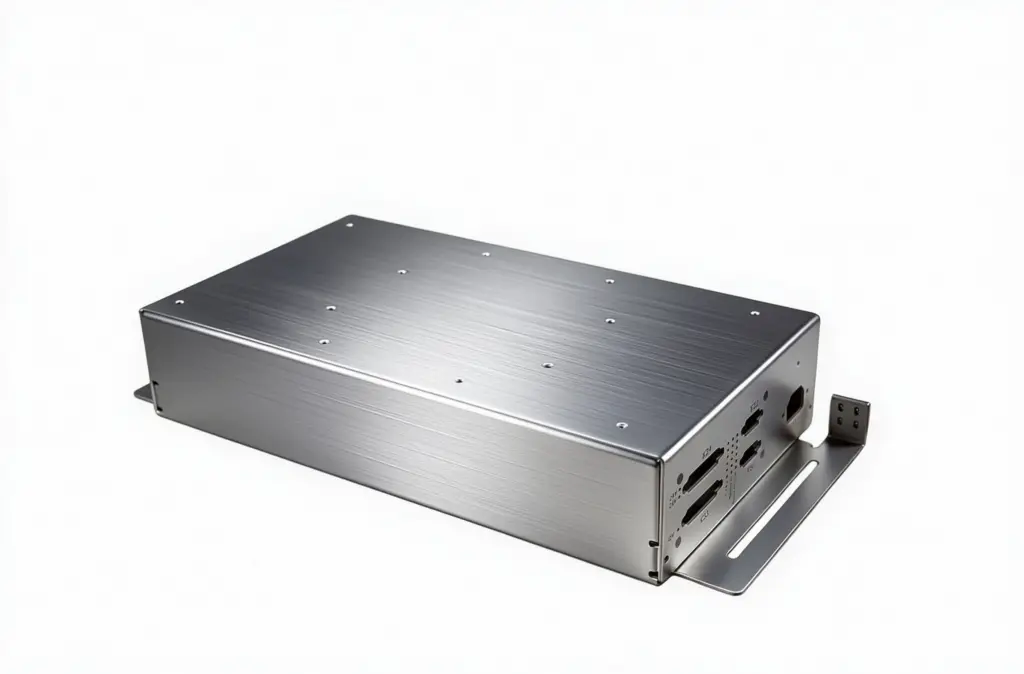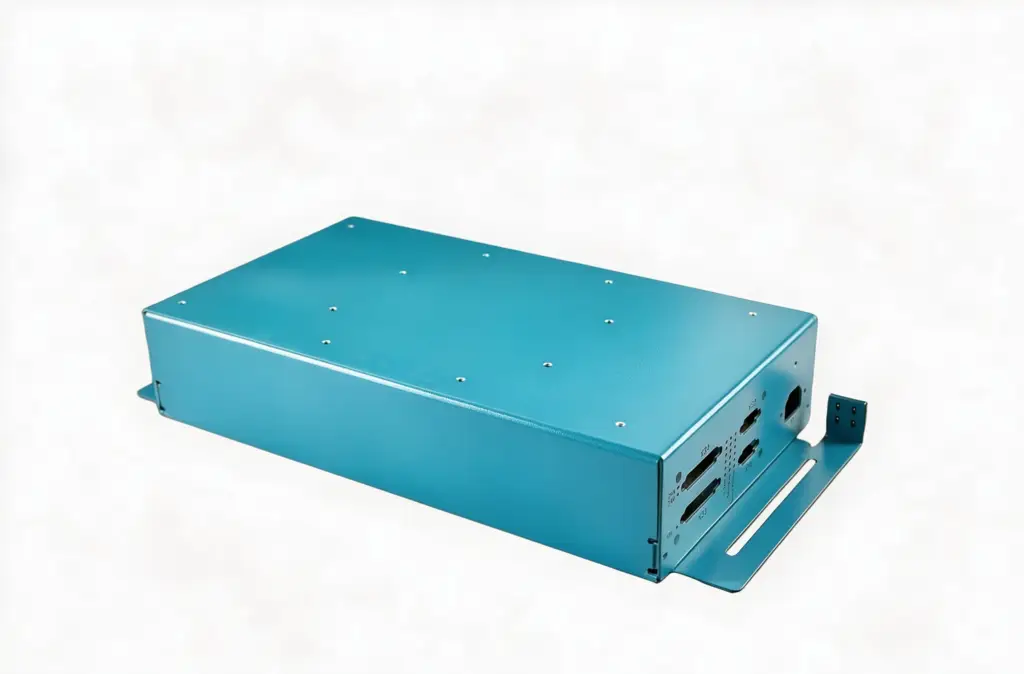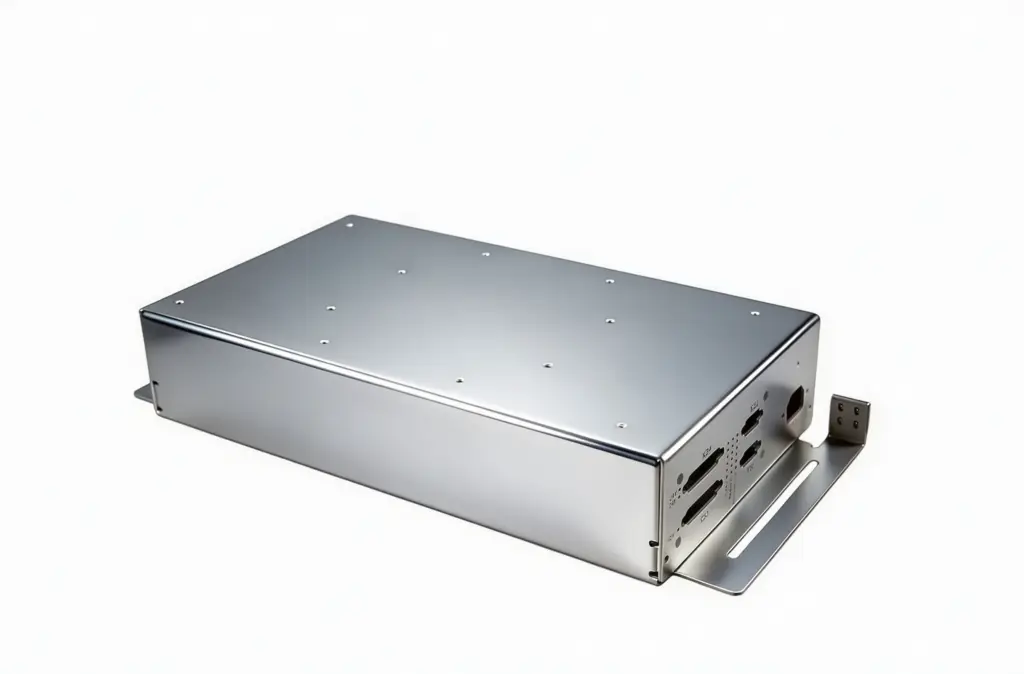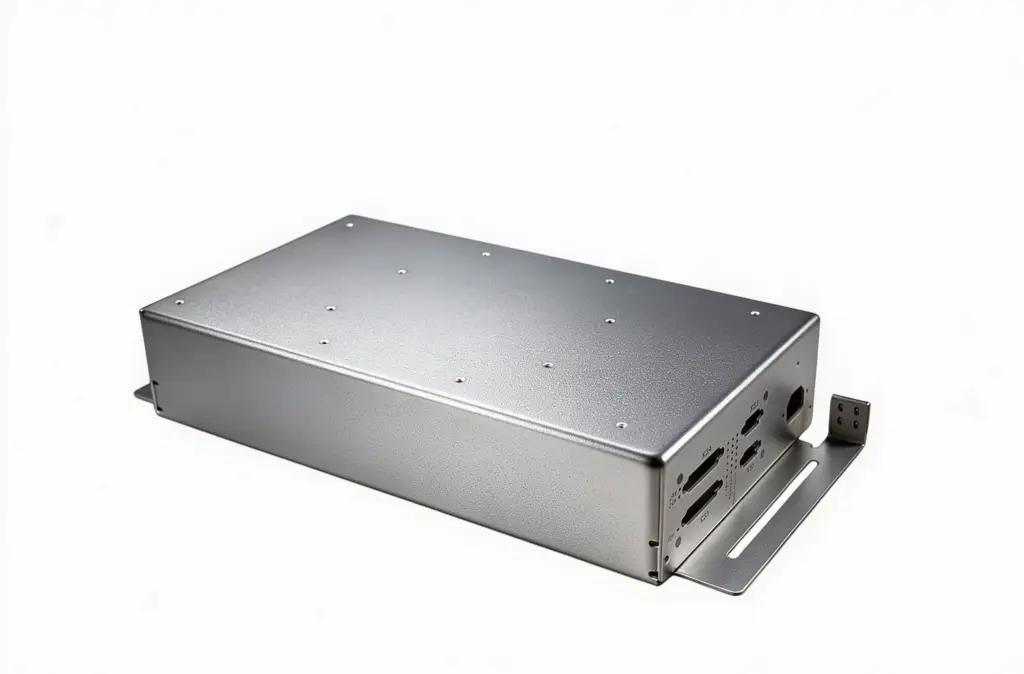
Sheet Metal

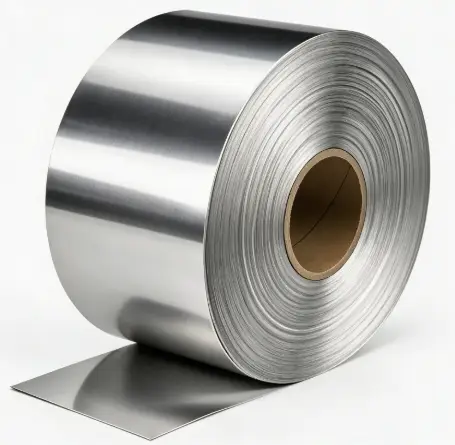
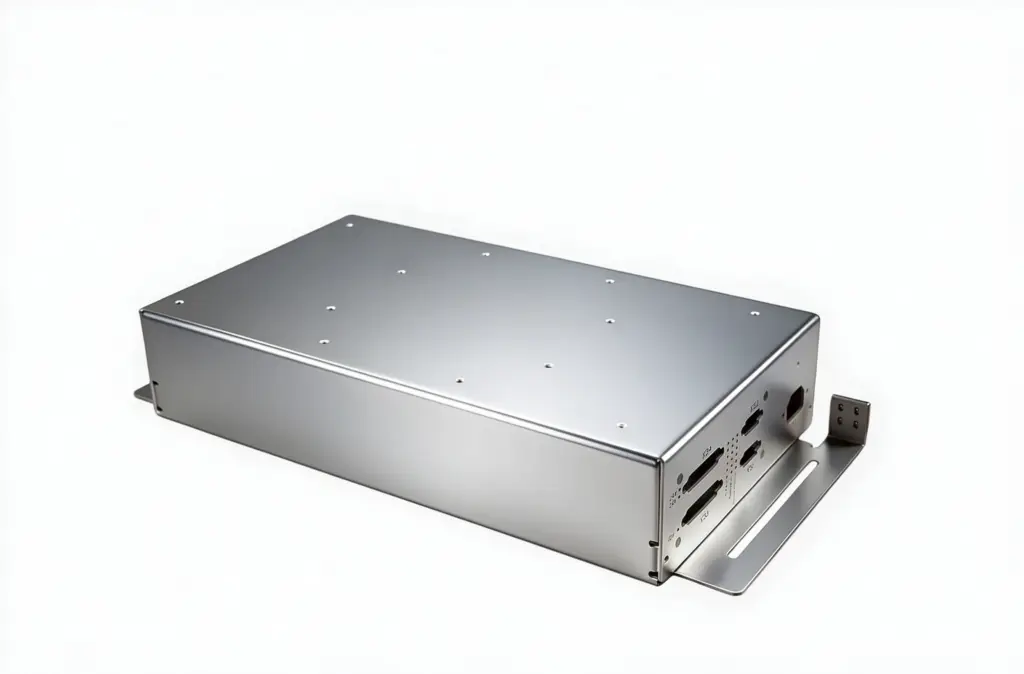
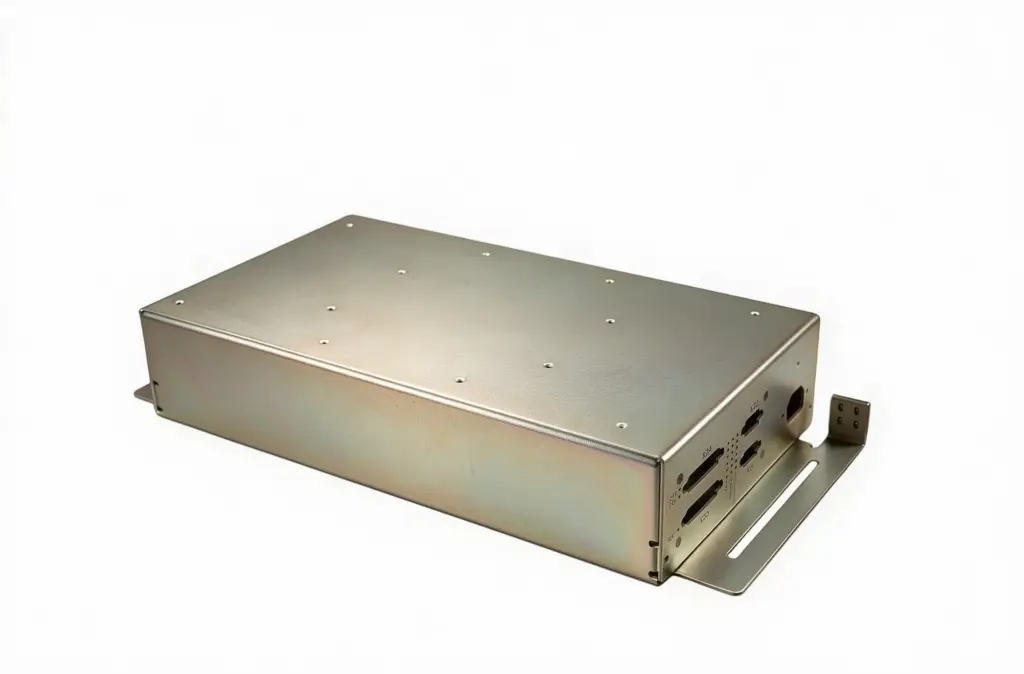
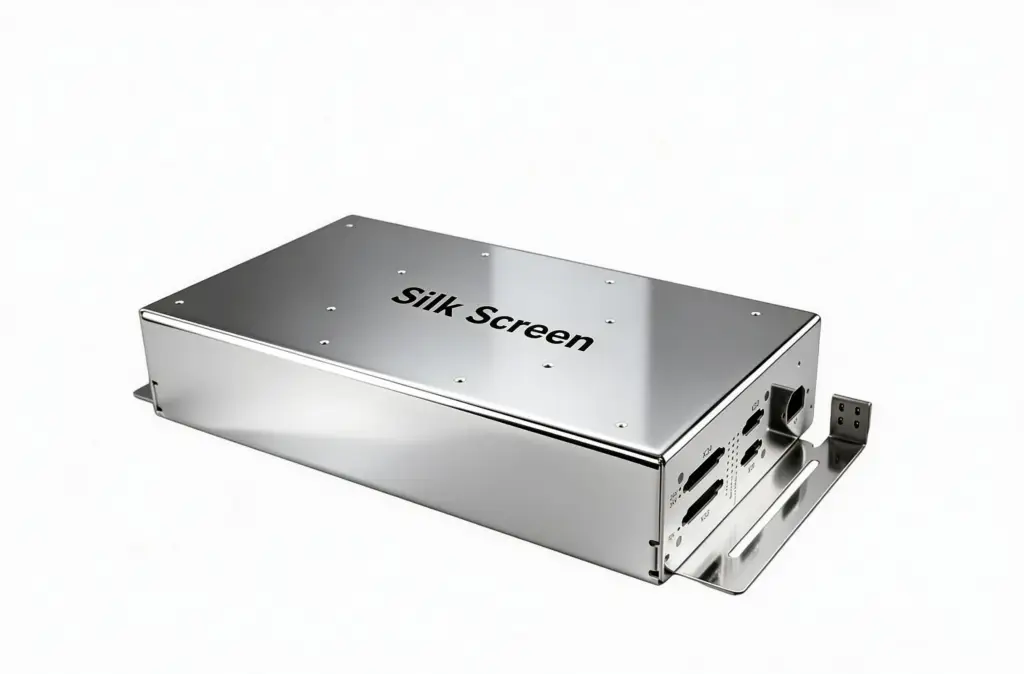
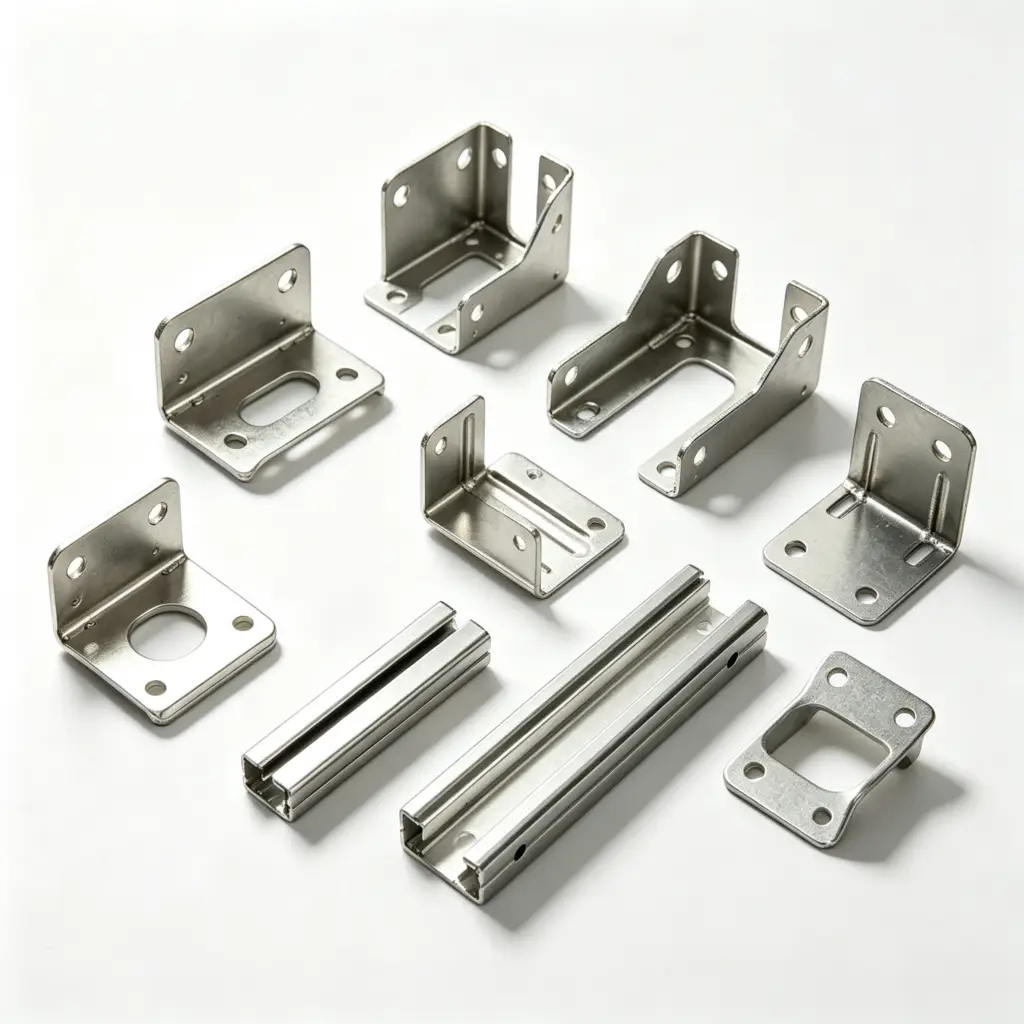
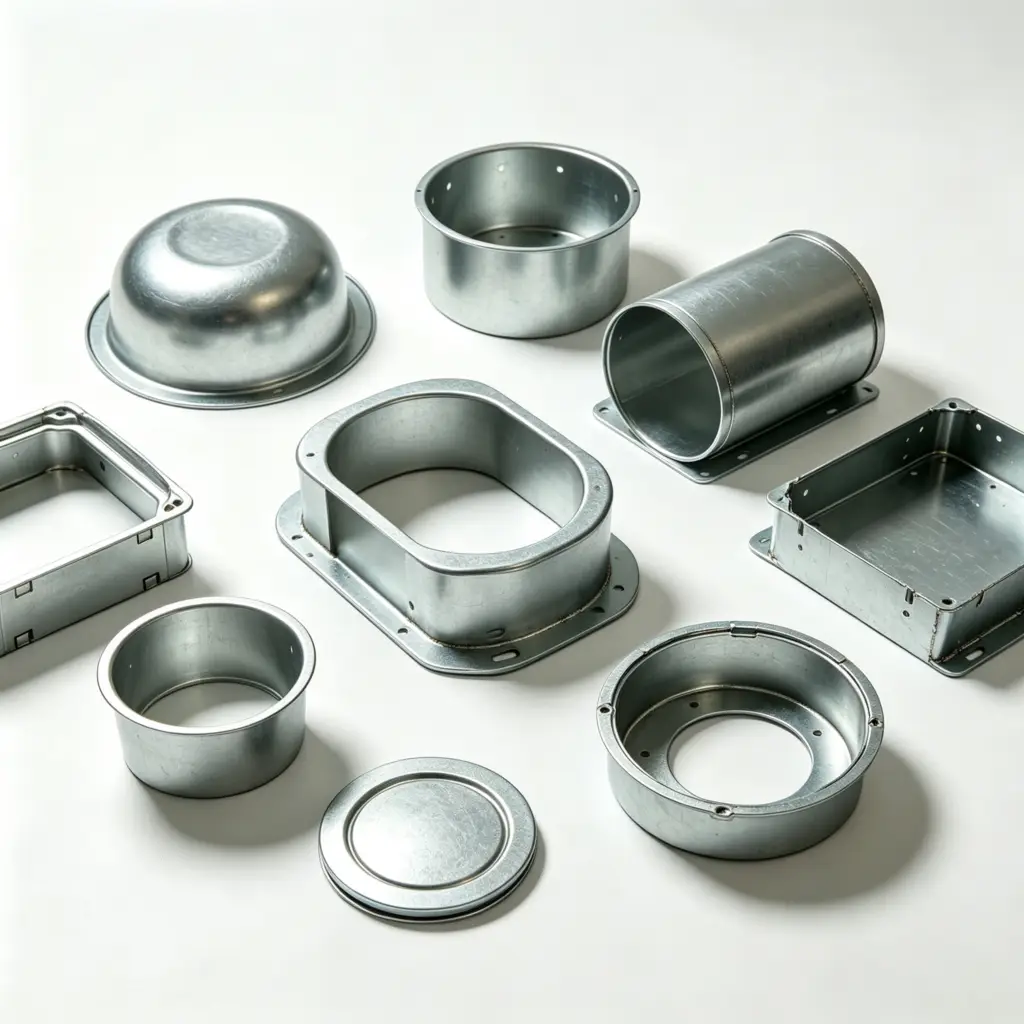
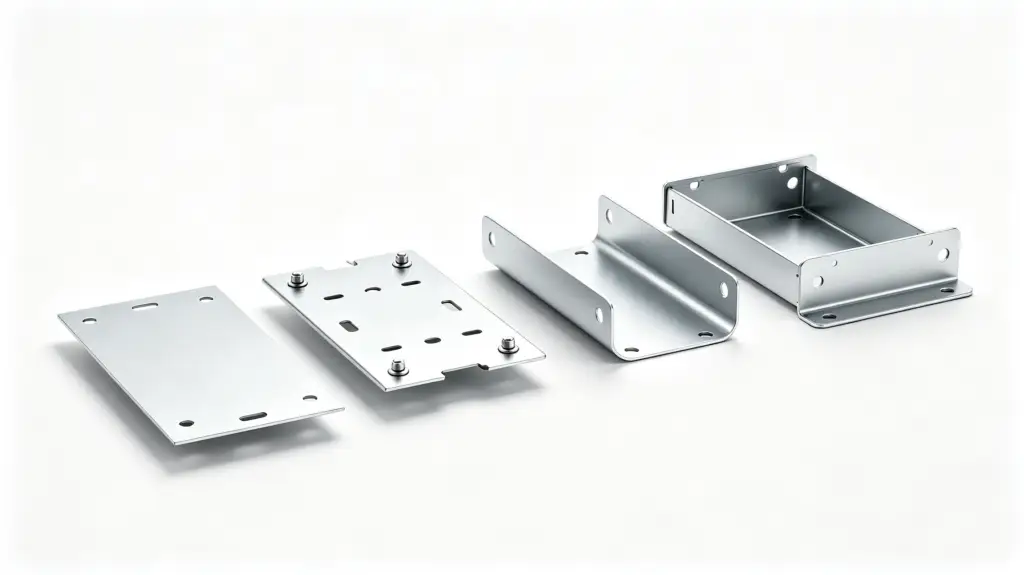
Mach Prototype delivers professional custom sheet metal fabrication services, covering prototyping to low‑volume production. We perform laser cutting, bending, stamping and surface finishing for metal components. Strict dimensional tolerance control, multiple material options, fast lead‑time for your sheet metal project.
One-stop Services for Your Custom Sheet Metal Parts

Laser Cutting

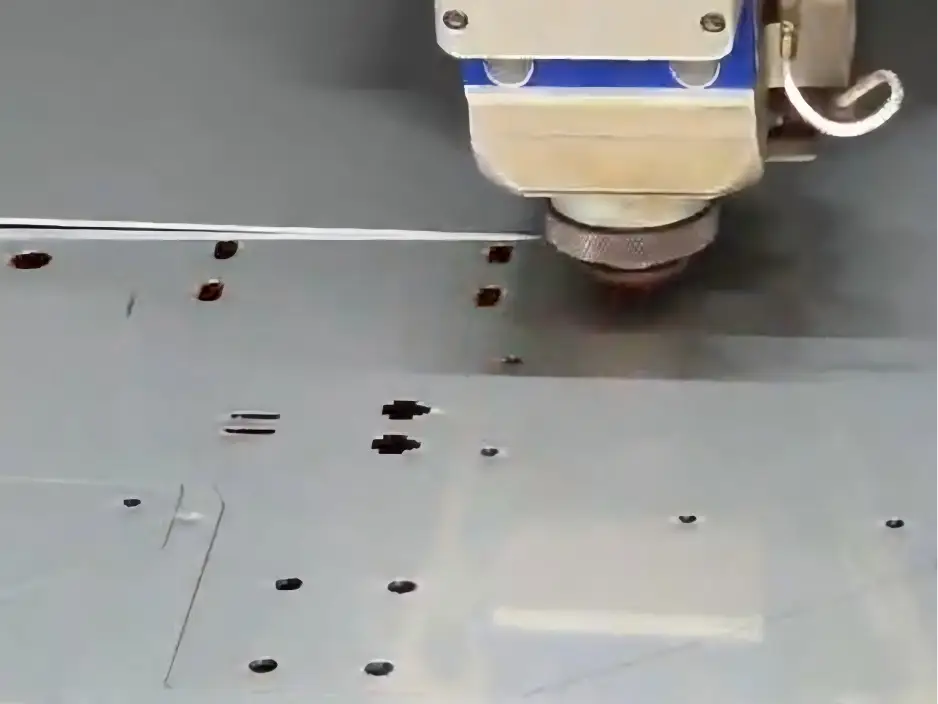
High‑power laser beams vaporize metal sheets to cut intricate contours and holes, producing high‑precision custom flat blanks for sheet‑metal manufacturing.

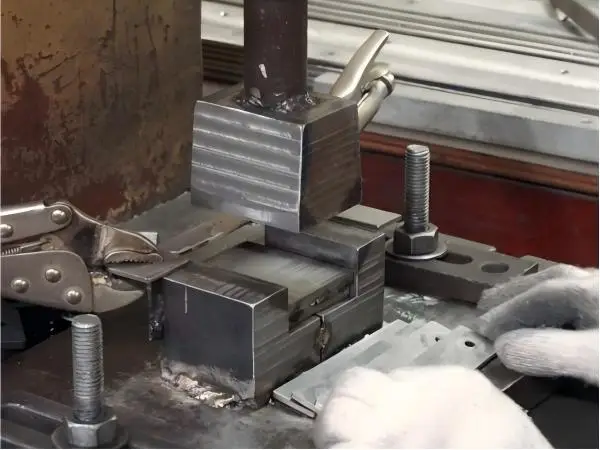
Bending

Press‑brake machines bend flat metal blanks along set lines to convert flat stock into usable 3D brackets, housings and structural shell components.

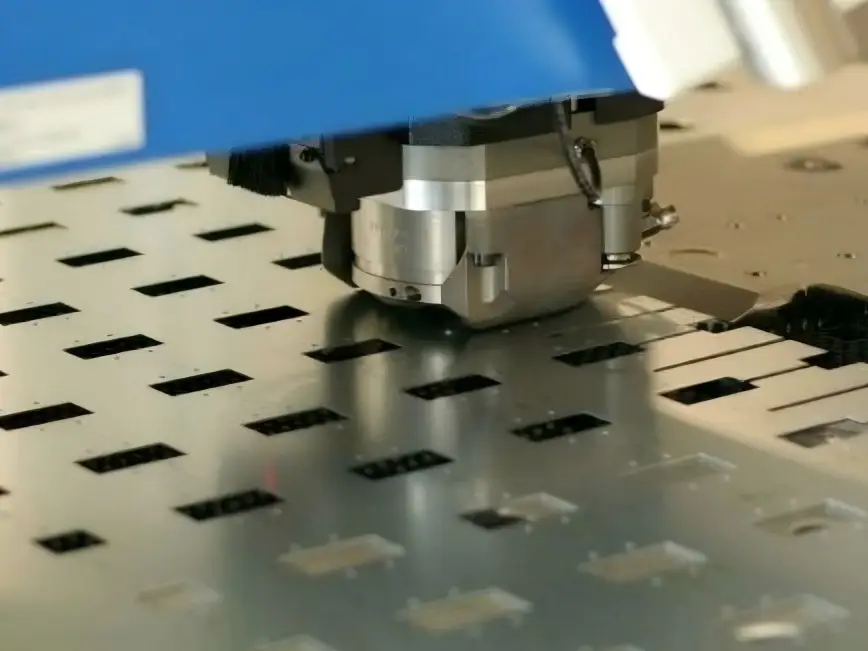
Punching

Punch‑and‑die tooling shears sheet metal under pressure to create holes and slots, enabling fast, economical high‑volume sheet‑metal part processing.

Stamping

Forming dies shape sheet metal under press force to mass‑produce uniform, repeatable complex embossed and formed metal parts.

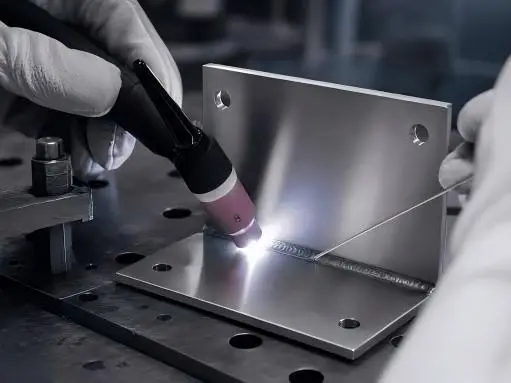
Welding and Assembly

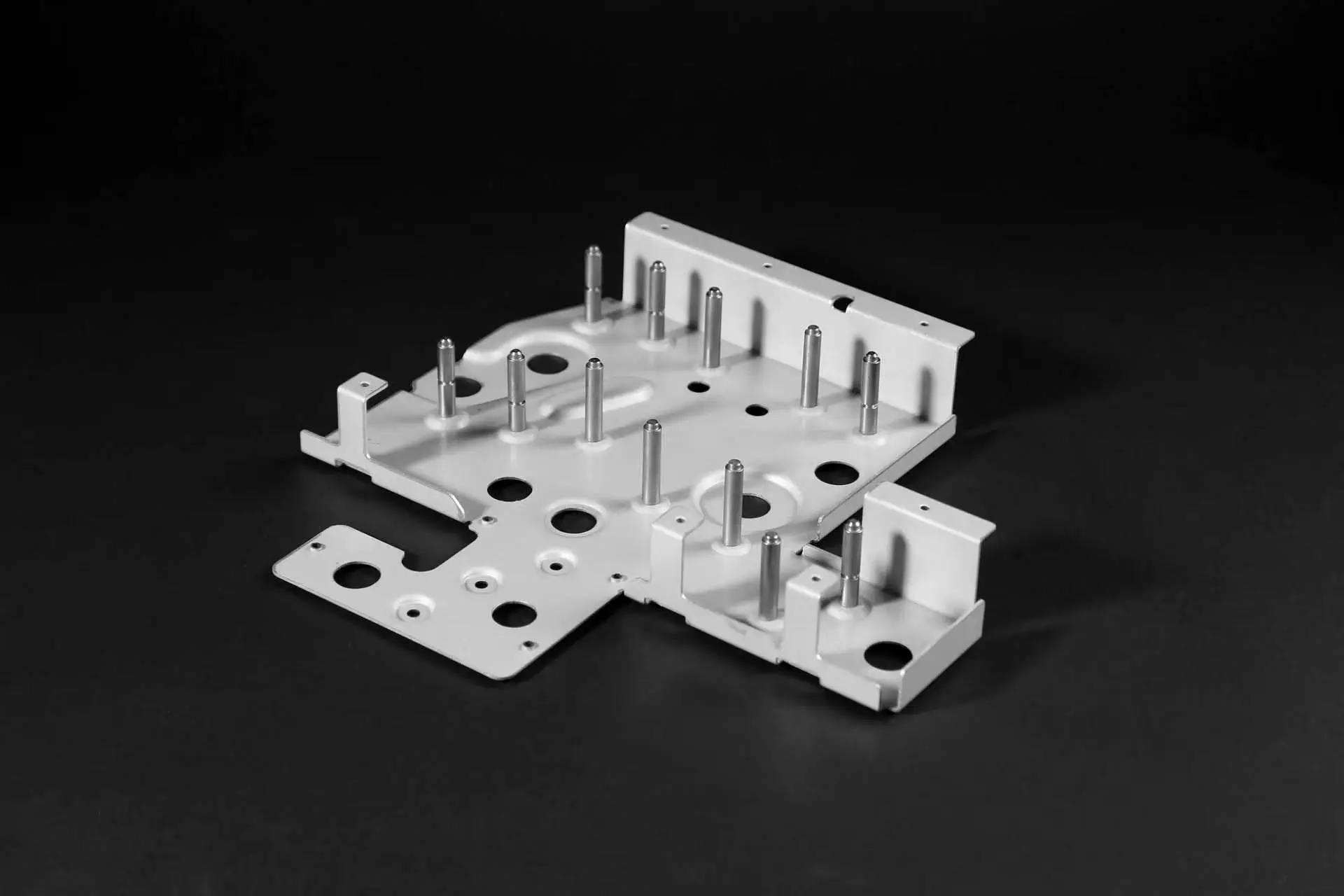
Welding joins individual sheet‑metal pieces, then fastening work combines them to build fully finished, functional ready‑to‑deploy assemblies.

Material for Sheet Metal Parts


Sheet metal material selection directly affects part strength, surface quality and bending performance.
Each metal has different ductility, hardness and bend‑ability. Some alloys are highly suitable for complex bending, while others are better for high‑strength structural parts with simple forming.

Please consider bending requirements, mechanical performance and corrosion resistance when choosing materials.

Click tabs on the right to check each material’s forming characteristics and common alloy grades.

Aluminum features low weight, good ductility and excellent bend‑ability. Most grades support complex bending operations. It delivers decent strength and corrosion resistance, widely used for aerospace and automotive sheet‑metal components.

6061, 5052, 5083, 2014

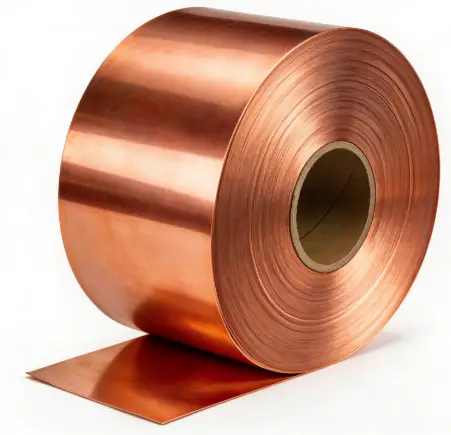
High ductility, outstanding bending & stamping performance. Easy to form intricate bent shapes. Good electrical and thermal conductivity. Best for conductive parts; lower mechanical strength for load‑bearing structures.

C11000 Pure Copper, C101 Oxygen‑Free Copper

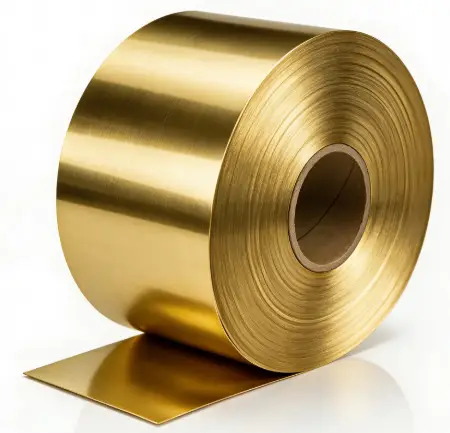
Good ductility for moderate bending. Too sharp bends may cause cracking. Nice surface finish, good corrosion resistance. Fit for decorative sheet‑metal parts and electrical hardware.

C3604, C26000, H59, H62

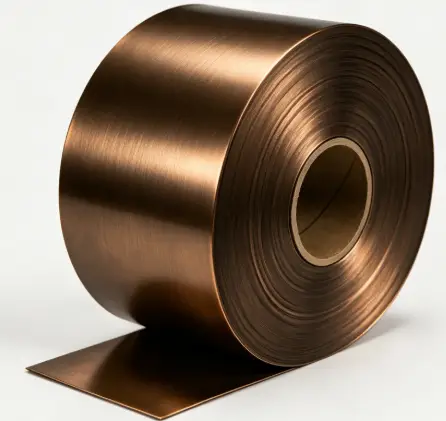
Medium ductility, limited bending capacity. Not recommended for sharp complex bends. High wear resistance and strength, mainly applied for structural wear‑resistant sheet parts.

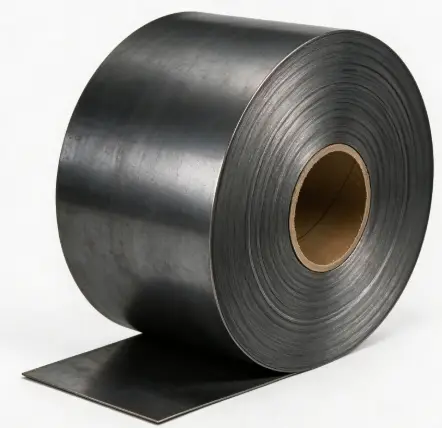
Good bend‑ability under proper thickness. Harder high‑carbon grades tend to crack during tight bending. High mechanical strength, low cost. Surface rust protection treatment is required.

C45, 1045, A36, Q235

Good ductility for bending, but higher spring‑back effect compared to aluminum. Need to compensate spring‑back value during bending process. Excellent corrosion resistance, high strength, ideal for outdoor & humid‑environment sheet metal assemblies.

304, 316L(1.4404), 303, 430, 17‑4 PH

Surface Finish Fits for Sheet Metal Parts

As‑Machined

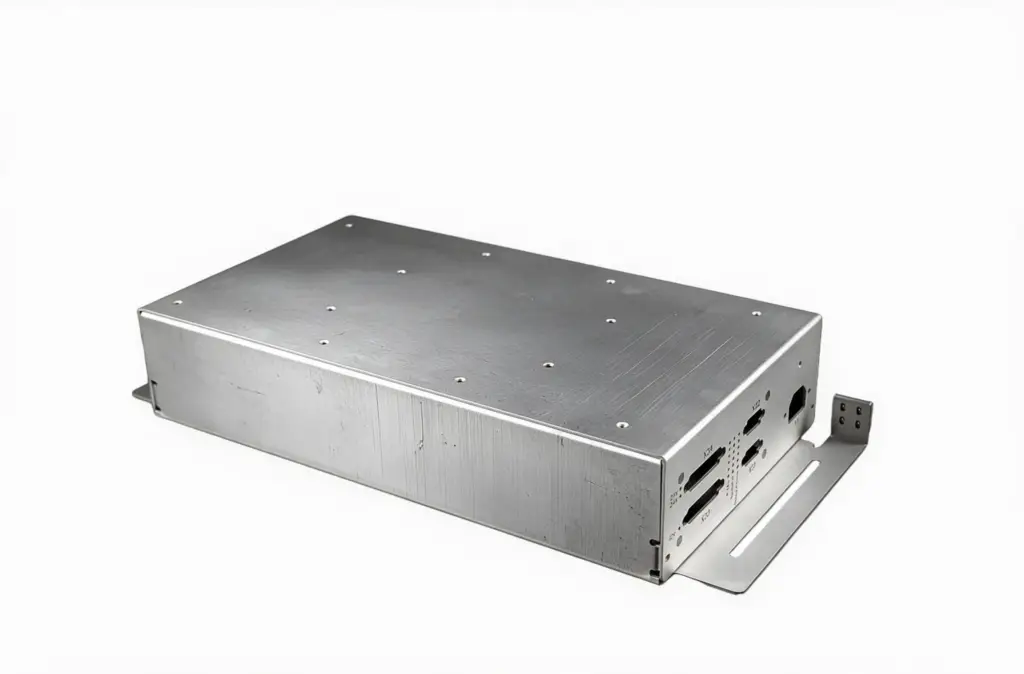
Retains visible tool marks from CNC cutting. Cost‑effective for non‑visible functional surfaces with no strict cosmetic requirements. Standard surface roughness Ra 1.6‑6.3μm.

Anodizing

An electrolytic conversion coating primarily for aluminum parts. It builds a hard, durable oxide layer to boost wear and corrosion resistance, and supports custom color options.

Polishing

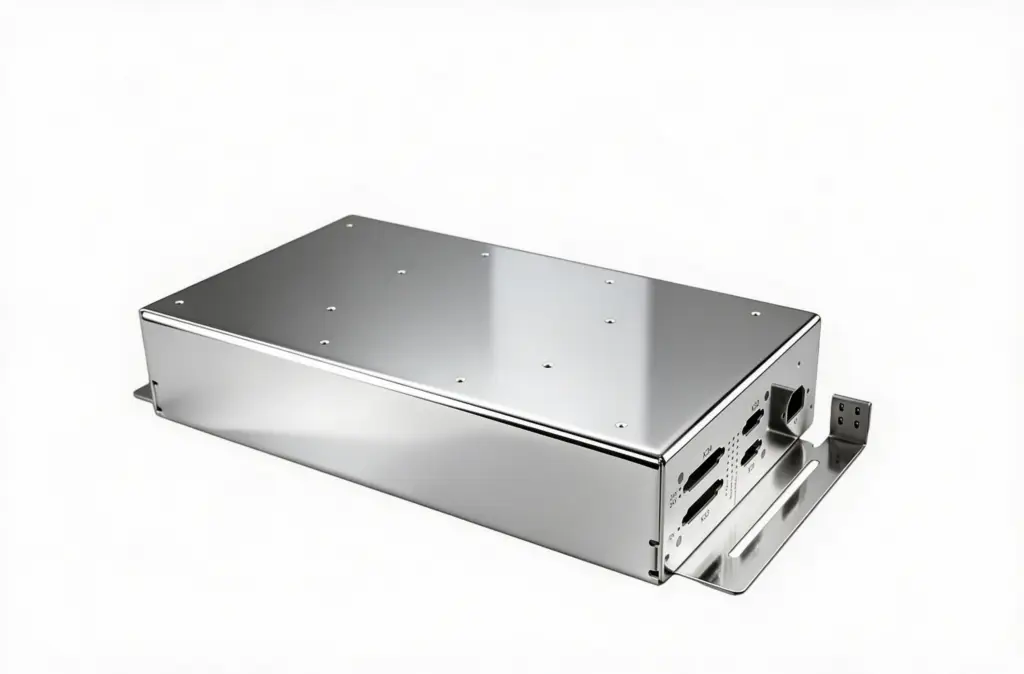
Mechanical polishing removes surface imperfections to deliver a smooth, high‑gloss surface. It lowers surface roughness and significantly improves the visual quality of metal components.

Sand Blasting

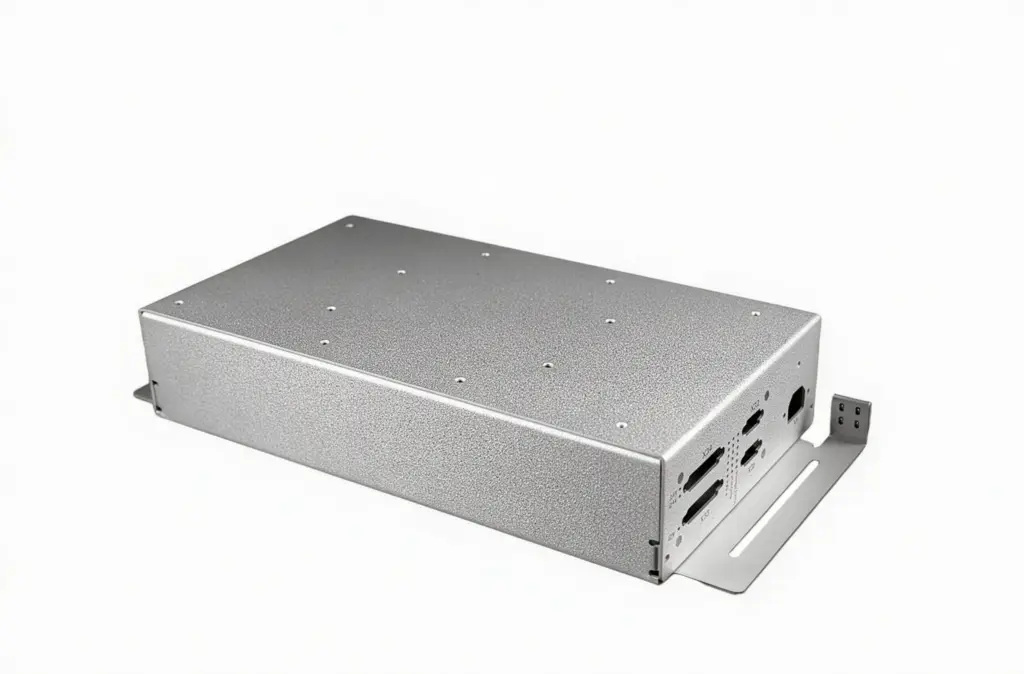
Pressurized abrasive media strikes the workpiece to form an even, fine matte texture. It eliminates tool scratches and creates an ideal base for subsequent painting or coating.

Tumbling

Parts rotate inside a barrel with abrasive media. This mass‑finishing process removes sharp burrs and softens edges for small‑size workpieces with uniform subtle texture.

Electropolish

An electrochemical smoothing treatment that dissolves tiny surface peaks. It brightens metal surfaces, reduces micro‑roughness and delivers better corrosion performance.

Chromate Conversion

A chemical conversion finish for aluminium substrates. It provides reliable corrosion protection and greatly improves bonding strength for paints and adhesives.

Heat Treatment

Controlled heating and cooling modifies internal metal microstructure. It precisely adjusts mechanical properties including hardness, tensile strength and material ductility.

Brushed Finish

Linear unidirectional grinding creates a subtle satin grain texture. This decorative finish hides minor surface flaws and delivers a premium metallic appearance.

Powder Coating

Electrostatic dry powder is applied then oven‑cured, forming a thick, tough protective layer. Outstanding scratch resistance and a broad range of custom colours are available.
 

Black Oxide

A low‑thickness chemical conversion coating for ferrous metals. It creates a matte black finish for anti‑glare purposes and offers moderate corrosion protection.

Electroplating

A thin metallic layer (nickel, chrome, zinc etc.) is chemically deposited on component surfaces. It enhances hardness, anti‑corrosion performance and surface conductivity.

Sheet Metal Parts for Different Industries

Custom sheet‑metal fabrication by Mach Prototype supports numerous industries, with capabilities spanning prototype validation through low‑volume batch production of custom metal parts.
Drawing on rich manufacturing experience, our engineering team adapts designs to fit real‑world industry requirements. We optimize every project for function, producibility and cost‑efficiency to bring your sheet‑metal part ideas to finished hardware.
Aerospace
Medical Devices
Automotive
Robotics
Electronics
Communication
Semiconductor
New Energy
Consumer Products

Add Your Heading Text Here

Add Your Heading Text Here

Add Your Heading Text Here

Add Your Heading Text Here

Add Your Heading Text Here

Add Your Heading Text Here

Add Your Heading Text Here

Add Your Heading Text Here

Size, Tolerance and Roughness of Our Sheet Metal Services


We maintain precise dimensional tolerances and controlled surface roughness for custom sheet‑metal parts in compliance with ISO 2768 standards.

We offer large‑size laser cutting and bending capacities, with multiple surface finish options from as‑machined to brushed and polished. See the table for full technical specifications.

ParameterSpecification
Maximum Laser cutting Size3000 × 2000 × 10 mm
Maximum Bending Size2000 × 1000 × 10 mm
Laser Cutting ToleranceISO 2768-m
Bending ToleranceISO 2768-v, ISO 2768-c
As‑machined Surface RoughnessRa 1.6 ~ 3.2 μm
Brushed/Polished Surface RoughnessRa 0.1 ~ 1.6 μm

Design Tips for Sheet Metal Parts


Optimize your drawings with sheet‑metal DFM rules to achieve better manufacturability, faster turnaround and lower costs. Our engineers provide free design feedback for your projects. Check key tips below.

  • Use fillets instead of sharp internal corners
  • Set proper bend radius according to sheet thickness, bending radius should ≥ thickness of sheet
  • Ensure sufficient clearance for holes and cutouts
  • Hole diameter ≥ material thickness
  • Prevent narrow fragile features
  • Add bend relief for nearby bending edges
  • Keep consistent material thickness

More about Sheet Metal

Basics of Sheet Metal


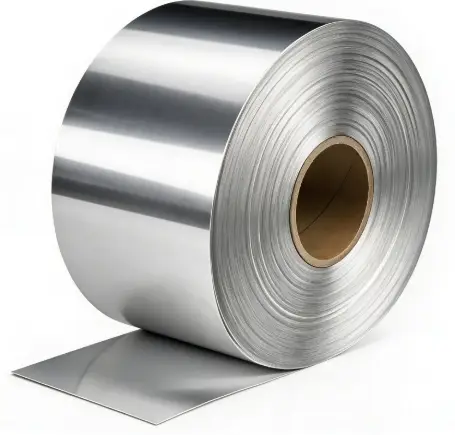
Sheet‑metal fabrication transforms flat thin metal sheets into finished parts via cutting, bending and secondary operations. It is ideal for prototype and low‑volume projects, supporting aluminum, steel, stainless steel and other metals for housings, brackets and assemblies.

How Sheet Metal works?


Your CAD drawing drives laser cutting or punching to produce flat blanks. Press brakes bend blanks into target geometries. Additional tapping, welding and surface treatments complete your custom sheet‑metal components.

Advantages and Benefits of Sheet Metal

  • Good Structural Strength

    Sheet metal parts deliver high strength‑to‑weight ratio. Thin metal sheets create rigid, durable housings and frames for mechanical and electronic equipment.

  • Wide Material Selection

    Compatible with aluminum, mild steel, stainless steel, copper and brass sheets. Different grades and thicknesses satisfy strength, anti‑corrosion and weight‑reduction requirements.

  • Versatile Surface Treatments

    Raw laser‑cut surfaces are clean. A full set of finishing options including powder coating, anodizing, plating and brushing for protection and cosmetic appearance.

  • Flexible Part Geometry

    Supports various bent, punched and welded structures from simple panels to complex enclosures. Easily realize custom shapes directly from your CAD files.

  • Cost‑Effective for Prototypes & Small Batches

     No expensive stamping molds are needed. It works well for proof‑of‑concept prototypes and low‑volume custom production to save your tooling investment.

  • Reliable Batch Consistency

     Laser cutting and press‑brake bending provide stable output. Each part keeps uniform dimensions and quality for repeated small‑to‑medium production runs.